
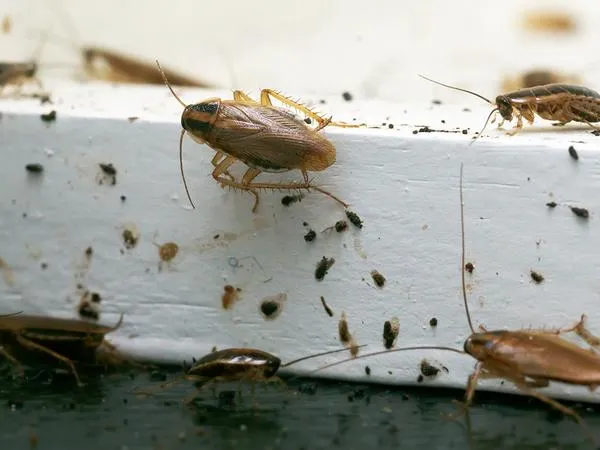
The Most Surprising Places Pests Hide in Your Home
The most surprising places pests hide are inside walls and behind electrical outlets, in attics and crawl spaces, under sinks, in kitchen cabinets and pantries, inside furniture and upholstery, and in the soil of potted plants. Pests are notorious for finding their way into our homes, often in unexpected places. While it’s easy to spot a trail of ants on the floor or a spider in the corner of the room, many pests prefer to hide in more discreet locations. These pests can cause significant damage before you’re even aware of their presence, so it helps to know where to look. In this post, we’ll discuss some of the most surprising places pests hide in your home, helping you stay one step ahead in keeping your living space safe and pest-free.
1. Inside Walls and Behind Electrical Outlets
One of the most surprising and often overlooked places where pests can hide is inside your walls and behind electrical outlets. Rodents, cockroaches, and ants can enter through tiny cracks and gaps, using the hollow spaces within your walls as a network of tunnels to move undetected throughout your home. This hidden passageway is ideal for pests because it provides warmth, protection, and easy access to other parts of the house.
Common Issues: Pests nesting inside walls can cause several problems, including damage to electrical wiring, which increases the risk of fire hazards. The droppings and nesting materials left behind can also lead to unpleasant odors and potential health risks if left unchecked. Because these areas are out of sight, infestations can grow undetected, making them harder to address once discovered.
Prevention Tips: To prevent pests from getting in your walls, seal any visible cracks or gaps in your home’s exterior. Use foam outlet gaskets behind outlet and switch covers, and caulk gaps in baseboards and trim, and ensure that all wall openings are properly covered. Regular inspections by a professional can also help detect any signs of activity before an infestation becomes severe.
2. In the Attic or Crawl Spaces
Attics and crawl spaces are often overlooked areas in many homes, making them prime hiding spots for pests like rodents, bats, and various insects. These spaces provide the darkness, warmth, and seclusion that pests need to thrive, especially during colder months. The insulation, stored items, and exposed wooden structures in these areas can attract pests looking for nesting materials and food sources.
Common Issues: When pests invade your attic or crawl spaces, they can cause a range of problems, including structural damage from gnawing and nesting. Rodents, in particular, are known for chewing through electrical wires, which can lead to fire hazards. Additionally, the droppings and urine left by pests can lead to unpleasant odors, contamination, and potential health risks for your family.
Prevention Tips: Start by sealing any gaps or holes in the roofline, vents, and foundation. Ensure these areas are properly ventilated and free from excess moisture, as damp conditions attract insects and rodents. Regularly inspect these spaces for signs of pest activity, such as droppings, nesting materials, or chewed wires. If you store items in these areas, use sealed plastic bins instead of cardboard boxes.
3. Under Sinks and Inside Plumbing
The areas under sinks and inside plumbing systems are often overlooked but can be a haven for pests seeking moisture and shelter. Cockroaches and ants are commonly found in these damp, dark spaces, drawn by the consistent moisture from leaky pipes or condensation. Even small amounts of water can create an inviting environment for these pests, allowing them to thrive undisturbed.
Common Issues: Pests that infest the areas under sinks and within plumbing can lead to several problems. Leaks and excess moisture can contribute to mold growth, damaging your home and creating an unhealthy environment. Pests like cockroaches can also contaminate food and surfaces, leading to potential health risks for your household.
Prevention Tips: To prevent pests from living under your sinks and in plumbing areas, regularly check for leaks and repair them quickly. Keep these areas dry and clean, wiping up any excess water and ensuring that pipes are properly insulated to reduce condensation. Seal gaps where pipes come through the cabinet floor and wall.
4. In Kitchen Cabinets and Pantries
Kitchen cabinets and pantries can also be inviting spaces for pests like ants, weevils, and pantry moths. These pests are attracted to readily available food sources and often sneak in through small cracks or gaps. Once inside, they can multiply quickly, contaminating your food supplies and causing a significant headache.
Common Issues: Infestations in kitchen cabinets and pantries can contaminate food, which will need to be discarded. Pests like pantry moths can lay eggs in food products, leading to a hard-to-break cycle of infestation. Damaged packaging, foul odors, and the sight of insects in your food storage areas are clear signs that your pantry has been compromised.
Prevention Tips: Store food in airtight containers that are difficult for pests to penetrate. Regularly clean shelves and dispose of expired or old food items that might attract insects. Inspect your pantry often, and freeze new flour and grains for a few days to kill any hidden eggs.
5. Inside Furniture and Upholstery
Your furniture and upholstery might not seem like an obvious hiding place for pests, but they can provide ideal shelter for bed bugs, fleas, and dust mites. These pests thrive in the warmth and softness of upholstered furniture, often going unnoticed until they’ve become a significant problem. Bed bugs, in particular, are notorious for hiding in the seams and crevices of mattresses and furniture, making them difficult to detect.
Common Issues: Pests in furniture and upholstery can lead to problems, from itchy bites and allergic reactions to more serious health concerns. Bed bugs are challenging to eliminate once they’ve established themselves, as they can spread quickly to other areas of your home. Fleas, brought in by pets, can also infest furniture and carpets, leading to discomfort and potential health risks for humans and animals.
Prevention Tips: To prevent pests from hiding in your furniture and upholstery, regularly vacuum your furniture, paying special attention to seams, crevices, and under cushions. Use protective covers on mattresses and pillows to create a barrier against bed bugs and dust mites. If you suspect an infestation, consider professional pest control services to address the issue promptly and thoroughly. For pet owners, regular grooming and flea prevention measures are essential to keeping your home pest-free.
6. In Potted Plants and Indoor Gardens
Potted plants and indoor gardens can invite pests like gnats, aphids, and spiders. The soil in potted plants can harbor insect eggs, and the moisture required to keep plants healthy can attract a variety of pests. Additionally, the foliage provides shelter and a food source for pests that can quickly spread to other areas of your home.
Common Issues: Pests in potted plants can damage plants, with leaves becoming discolored or wilting due to insect feeding. Gnats, which thrive in moist soil, can become a nuisance, flying around your home and laying eggs in other damp areas. If left unchecked, these pests can spread to other plants or even infest your home, creating a larger problem that’s harder to manage.
Prevention Tips: To prevent pests from taking hold in your potted plants, start by using high-quality, pest-free soil when potting your plants. Allow the soil to dry between waterings to discourage gnats and other moisture-loving pests. Inspect plants regularly for signs of pests and treat any infestations quickly. Placing sticky traps near your plants can also help capture flying insects before they become a larger problem.
Final Thoughts
Regular inspections, proper sealing of entry points, and maintaining a clean and dry environment are key strategies in keeping your home pest-free. If you suspect a pest problem or want to ensure your home is thoroughly protected, request a free inspection or call 888-902-3540. Our home pest control plans include checks of these hidden areas.
Hidden Pest FAQs
Cockroaches, ants and mice can travel through wall voids and come out at outlets and switch plates, especially in kitchens and bathrooms. Foam outlet gaskets help seal those gaps.
Mice, rats, squirrels, spiders, wasps and overwintering insects like stink bugs and boxelder bugs are the most common attic pests.
Let the top inch or two of soil dry out between waterings, remove standing water from saucers and use yellow sticky traps to catch adults.
Scratching or scurrying sounds at night, droppings near baseboards, a musty smell and insects coming from outlets or gaps are the most common signs. See how to tell if you have mice in your walls.