
Signs You Have a Rodent Problem in Virginia
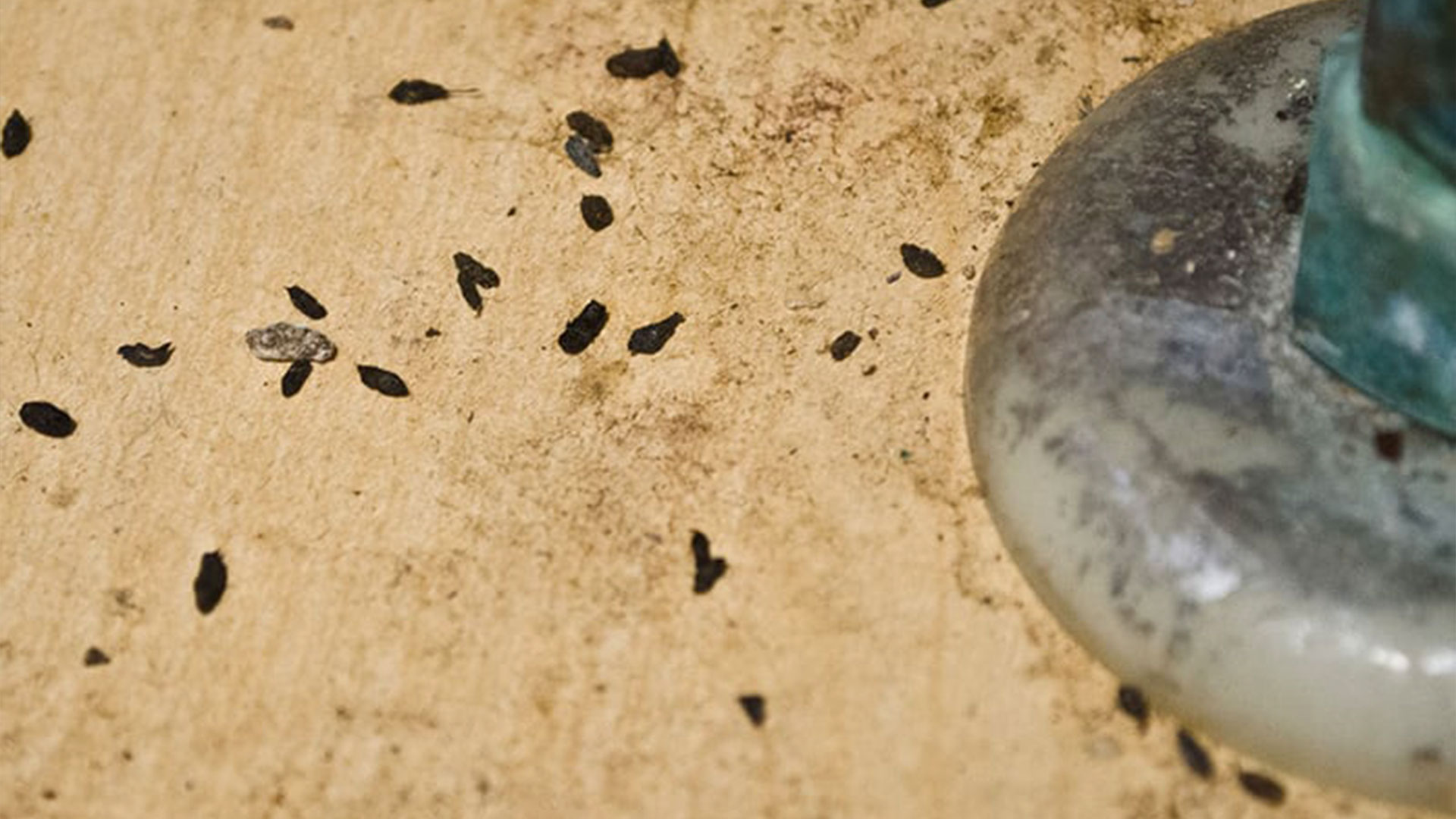
The most common signs of a rodent problem in Virginia are droppings, scratching or squeaking in the walls at night, gnaw marks on food packaging or wires, greasy rub marks along baseboards and shredded nesting material in hidden spots. Fall is prime season, when mice and rats look for warm shelter and steady food, so homeowners in Richmond, Roanoke, Chesapeake and across Virginia should watch closely from September on.
Catching it early keeps damage small and makes the problem much easier to fix.
Common Types of Rodents in Virginia
Mice
House mice are the most frequent rodent in Virginia homes. They are small, with gray fur, lighter bellies, large ears and pointed noses, and they can squeeze through a gap about the size of a dime.
Roof Rats
Roof rats are long, lean climbers usually found in attics and upper floors. They have dark brown fur with black hairs, lighter bellies and pointed noses. Their climbing skill makes them tricky to catch.
Norway Rats
Norway rats are bigger and stockier, with brown fur, small ears and blunt noses. They stay low, in basements, crawl spaces and burrows along the foundation. They are strong swimmers but poor climbers.
Signs of a Rodent Infestation
- Live or dead rodents
- Scratching or squeaking in walls, ceilings or floors, especially at night
- Droppings in cabinets, drawers, along walls or in the attic
- Greasy rub marks along walls or baseboards
- Gnaw marks on food packaging, wood or wires
- Nests of shredded paper, fabric or insulation in hidden spaces
- A musky, ammonia-like smell in closed spaces
For a closer look at where rodents tend to hide, see where rodents hide in Virginia homes.
How to Keep Rodents Out of Your Virginia Home
- Seal holes, cracks and gaps in the exterior, especially around pipes and utility lines
- Cover vents, downspouts and chimneys with sturdy wire mesh
- Trim vegetation back from the foundation and roof
- Store firewood and trash bins away from the house
- Remove outdoor food like spilled birdseed and pet food
- Keep the yard clear of debris piles
- Wash dishes, wipe counters and sweep regularly
- Store food in sealed containers
- Fix leaks and moisture problems
- Cut down indoor clutter, especially cardboard boxes
What to Do if You See Signs of Rodents
Traps from the store can catch a mouse or two, but they rarely stop an infestation. Rodents breed quickly and hide well, and new ones keep coming in until the entry points are sealed.
Our rodent control starts with an inspection to find where rodents are hiding, how they are getting in and what is attracting them. Then we treat inside and out and seal entry points so they stay out. Rodent protection is also part of our home pest control plans, which cover Virginia’s most common pests.
Request a free quote or call 888-902-3540 to talk with your local Virginia team.
Virginia Rodent FAQs
Activity picks up in fall, usually from September through December, as nights get colder and outdoor food runs low. Rodents can get in any time of year, though.
Mouse droppings are small, about the size of a grain of rice, with pointed ends. Rat droppings are much larger, closer to a raisin or olive pit.
Yes, quickly. A female house mouse can have several litters a year, so a single mouse that finds food and shelter can become a real problem within a couple of months.
If you see signs in more than one room, keep finding fresh droppings after trapping, or hear activity in the walls or attic, a professional inspection is the fastest way to find and seal the entry points.