
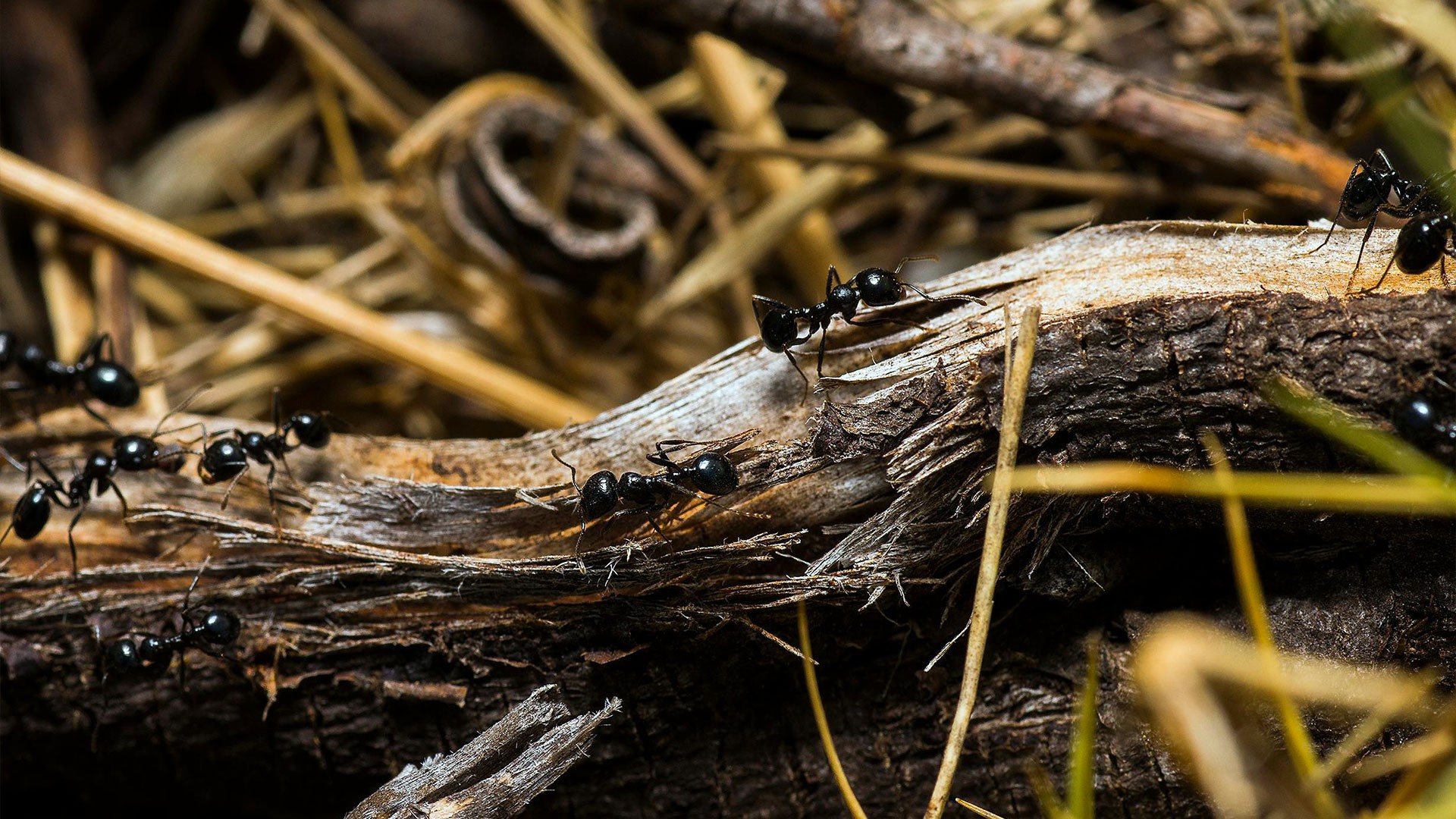
Protecting Your Home from Ant Infestations in Alabama’s Warm Climate
To keep ants out of an Alabama home, remove the food and water drawing them in, seal the gaps they use near ground level, and use bait instead of spray so the colony itself dies off. In Alabama, ant problems can feel nonstop. Warm temperatures, humidity, and long growing seasons give ants plenty of time to build colonies, expand trails, and keep coming back. Around Birmingham, we see the same pattern every year: a few ants in the kitchen turns into a steady trail, then suddenly they are in multiple rooms.
The good news is you can prevent most ant infestations with a simple plan. We focus on the same core steps on nearly every ant call: remove what attracts ants, block the paths they use to get inside, and treat the colony the right way so the problem does not repeat.
Below, we’ll walk you through what we recommend for Alabama homes, including the most common early warning signs, what to do the day you spot ants, and how to keep them out long term.
If you want help identifying the ants you are seeing, start with our ant control page and our full Pest Library.
Why Alabama’s Warm Climate Makes Ant Problems Harder
Ants do not take long breaks in our climate. Even when it cools down, many species stay active in protected areas, including wall voids, crawlspaces, and under slabs. That means a small issue can quietly grow until it becomes obvious in your kitchen or bathroom.
We also see a few Alabama-specific “boosters” that make ant pressure worse:
- Humidity and moisture that provide easy water sources
- Frequent rain and irrigation that push ants to move nests or forage indoors
- Dense landscaping and mulch that give ants plenty of cover right next to the foundation
- Cracks and gaps that stay open year after year, especially around doors, utility lines, and slab edges
When we fix those conditions, ant problems usually get easier to control.
Common Ants We See Around Birmingham Homes
Different ants behave differently, so it helps to know what you might be dealing with.
Here are a few we see often, with helpful pages if you want to compare what you’re seeing:
- Argentine ants can form large populations and show up as long indoor trails: Argentine ants
- Pharaoh ants often nest in hidden indoor spaces like wall voids and can be stubborn without the right approach: Pharaoh ants
- Thief ants are tiny and can live in protected indoor voids
- Pavement ants commonly enter through cracks near ground level: Pavement ants
We also see carpenter ants in Alabama, and they matter because they often connect to moisture and damaged wood. If you spot large ants indoors, especially near damp areas, it is worth getting it checked.
And of course, there are fire ants outdoors. Fire ants are usually a yard problem first, but when mounds are close to the home, they can create pressure that shows up indoors too.
Early Warning Signs You Might Be Headed for an Ant Infestation
Most ant infestations give you a few signals before they turn into a daily headache. Here are the signs we tell homeowners to watch for.
1) A Consistent Trail to One Spot
If you see ants marching to the same cabinet, pet bowl, trash area, or baseboard corner every day, that usually means they have an established route.
2) Ants Showing Up After Rain or Heavy Watering
If you suddenly see ants indoors after a storm or irrigation cycle, it often points to outdoor nesting activity that got disrupted. That is a great time to take action because the colony is actively moving and foraging.
3) Ants Near Water Sources
We see a lot of ant activity around:
- kitchen sinks
- dishwasher areas
- bathrooms
- laundry rooms
- HVAC and water heater closets
Even a small drip or damp cabinet base can keep ants coming back.
4) “Random” Ants in Multiple Rooms
One or two ants can be a scout. Ants in several rooms at once usually means the colony is already working multiple routes.
What to Do the Day You See Ants in Your House
When you first spot ants, it is tempting to spray everything. We understand why, but spraying often solves the symptom, not the source.
Here’s what we recommend instead.
Step 1: Find What Is Attracting Them
Ants are usually inside for food or water. Start with a quick scan:
- crumbs under appliances
- sticky spots on counters
- trash and recycling
- pet food and treats
- pantry shelves with spills
- damp areas under sinks
Clean what you find and store food in sealed containers.
Step 2: Wipe the Trail to Disrupt It
Ants follow scent trails. If you wipe the route, you remove part of the “map” that keeps pulling ants back.
Use warm soapy water or a general cleaner and wipe:
- baseboards where the trail runs
- the counter edge and backsplash seam
- cabinet corners and floor edges
Step 3: Choose Bait Over Quick Sprays in Most Cases
For many household ants, bait works better than surface spray because it helps reach the colony. Spray can kill the ants you see while leaving the colony active, which often leads to more trails later.
Bait placement tips that help:
- Put bait near trails, but not directly where it gets wiped up
- Use a few small placements instead of one big pile
- Be patient, you may see more ants at first as they feed
If you are dealing with an unusual ant type or a heavy infestation, the wrong bait can stall results. That is one reason professional identification matters.
Step 4: Do Not Ignore Moisture
In Alabama, moisture is a major reason ant problems repeat. If you have a leak, condensation, or a damp crawlspace area, fixing that can reduce ant pressure as much as any product.
How Ants Get Inside Alabama Homes
We see ants enter through surprisingly small openings. The most common entry points we find around Birmingham homes are:
- gaps under exterior doors and worn weatherstripping
- cracks in slab edges and expansion joints
- foundation cracks and small mortar gaps
- openings where plumbing and lines enter the home
- window frame gaps and torn screens
- garage door corners and side gaps
If you seal nothing else, start with door sweeps and obvious ground-level cracks. Those two changes alone can cut a lot of ant traffic.
Ant Problems That Usually Need a Professional
Some ant issues are very difficult to solve with DIY methods, especially in Alabama.
We recommend calling us if:
- Ants keep returning after you’ve baited and cleaned for 7 to 10 days
- Trails pop up in multiple rooms
- You suspect nests in wall voids or under a slab
- You’re seeing tiny ants that are hard to identify, often needs a targeted approach
- You’re dealing with carpenter ants or moisture-related activity
Our interior treatments target ants and other common pests, and we can help you stop the cycle instead of chasing trails every week. See our residential pest control plans.
If you want us to take a look and map out the real entry points and pressure zones, book a free inspection.
A Quick Alabama Ant Prevention Checklist
If you want something you can save and follow, use this.
Weekly
- Wipe counters and baseboards during heavy activity
- Vacuum crumbs under appliances
- Take out trash and rinse recycling
- Check for leaks under sinks and around laundry hookups
Monthly
- Inspect door sweeps and weatherstripping
- Walk the foundation line for cracks, gaps, and soil buildup
- Trim vegetation that touches the home
- Pull mulch back from the foundation
Seasonally
- Clean gutters and make sure downspouts move water away from the home
- Reduce yard clutter near exterior walls
- Schedule a professional inspection if you have recurring ant problems
For more seasonal reminders, see our Alabama pest control seasonal tips.
Let’s Stop Ants Before They Turn Into a Bigger Problem
If you’re tired of trails showing up every time the weather warms up, we can help. We’ll identify the ant type, locate entry points, treat the colony the right way, and recommend simple prevention steps that fit your home.
- Get a free quote or call 888-902-3540
- Learn more about ant types: ant control
- Ongoing home protection: residential pest control in Birmingham and Huntsville
FAQ: Ant Infestations in Alabama Homes
The ants you see are foragers. As long as the colony is alive nearby, it keeps sending more workers until the source is dealt with.
For most household ants, bait works better because the workers carry it back and it reaches the colony. Sprays give quick relief but usually leave the colony untouched.
Carpenter ants are much bigger than most house ants, up to half an inch long, and they are often found near damp or damaged wood. If you see large ants indoors, schedule an inspection.
Yes. Activity climbs as spring warms up and stays high through summer and early fall. Heavy rain, irrigation and humidity can cause sudden spikes indoors.
If trails keep coming back after a week of steady cleaning and baiting, or ants are showing up in several rooms, it is time for an inspection and a targeted plan.