
Protect Your Richmond Home From Overwintering Pests
The most common overwintering pests in Richmond homes are stink bugs, boxelder bugs, Asian lady beetles, carpenter ants, spiders, rodents and cockroaches. They move in during fall to spend winter somewhere warm, so sealing gaps before cold weather is the best defense. Winter in Richmond, VA may bring cooler temperatures, but it does not mean a break from pest problems. As the weather cools, many pests look for warm, sheltered places to spend the winter, and your home may offer everything they’re looking for.
Here’s what Richmond homeowners need to know about overwintering pests, how they can disrupt your home, and what you can do to keep them out.
Common overwintering pests in Richmond
Several pests in the Richmond area seek shelter indoors during the winter months, including the following:
- Stink bugs
Known for their unpleasant odor when crushed, stink bugs often enter homes through cracks and crevices. - Boxelder bugs
Boxelder bugs, the black-and-red insects that show up mostly in fall, are harmless but can gather in large numbers inside homes, becoming a nuisance. - Asian lady beetles
While often mistaken for harmless ladybugs, these beetles can invade homes in large groups. - Carpenter ants
Carpenter ants may remain active during the winter if they find a warm place to nest, such as in wall voids, attic insulation, and near heat sources. - Spiders
Many spiders move indoors to escape the cold, building webs in corners, basements, and other areas prone to insect activity. - Rodents
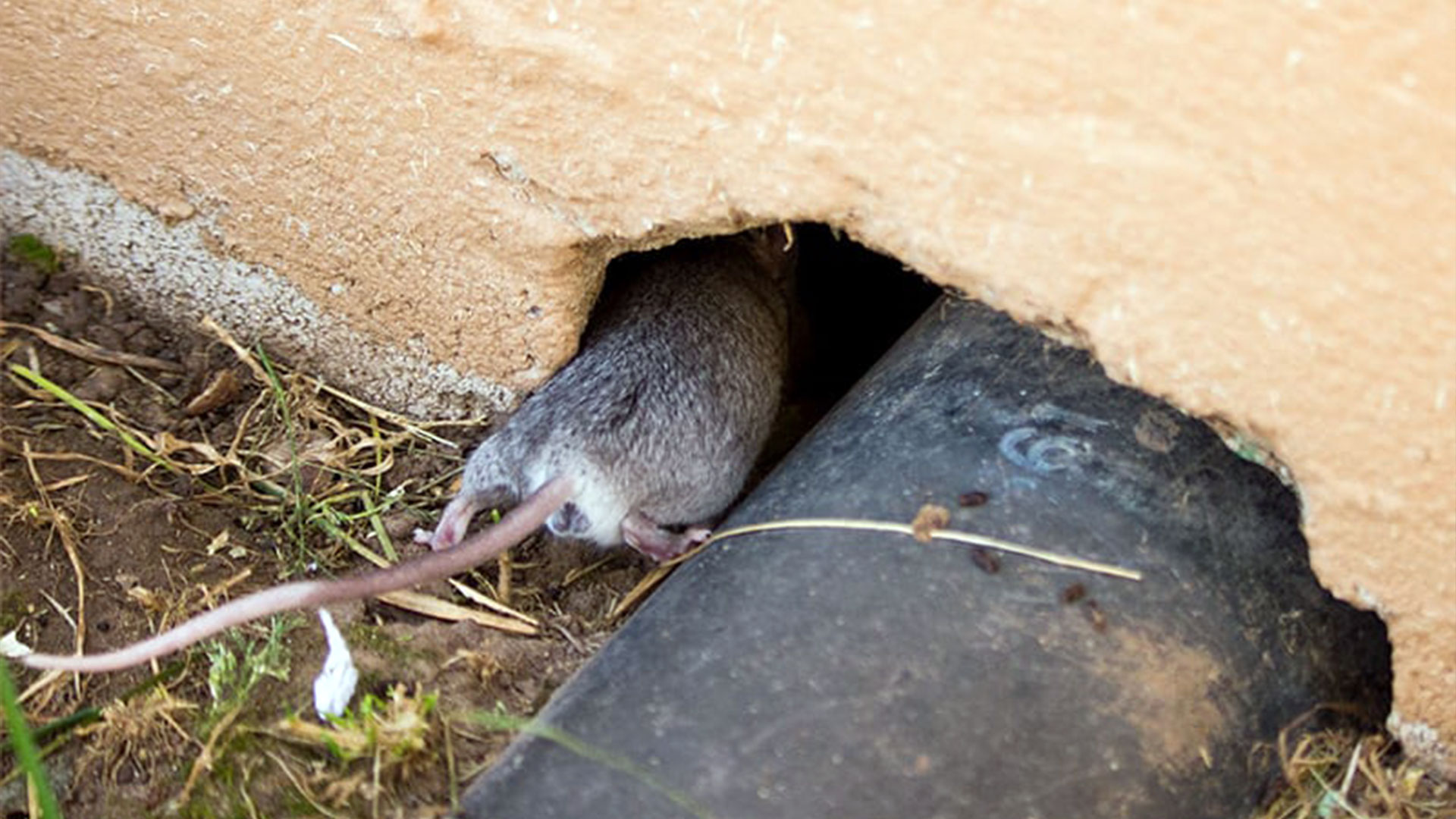
Mice and rats are common winter invaders, capable of chewing through walls and wires while spreading germs. - Cockroaches
Seeking warmth and moisture, cockroaches may find refuge in kitchens and bathrooms.
How overwintering pests disrupt homes
While most overwintering pests aren’t dangerous, they can still cause headaches for homeowners. Stink bugs and boxelder bugs may stain walls and furniture, while rodents and cockroaches pose health risks by contaminating food and spreading bacteria.
Rodents also chew on building materials, including electrical wiring, increasing the risk of fire hazards.
Prevention tips for keeping pests out
- Seal entry points
Inspect your home for cracks, gaps, and holes, especially around windows, doors, and the foundation. Seal all openings you find. Be sure to replace missing shingles and correct other issues along the roofline, not just the ground level. - Repair screens and vents
Make sure window screens, attic vents, and chimney caps are intact to block pests from entering. - Declutter and clean
Remove clutter from closets, basements, attics, and garages where pests may hide. Vacuum regularly to eliminate crumbs and food particles. - Store food properly
Keep pantry items in sealed containers, and avoid leaving pet food out overnight. - Eliminate moisture
Fix leaky pipes, unclog drains, and use dehumidifiers to reduce moisture that attracts pests. - Trim landscaping
Cut back shrubs and tree branches touching your home to reduce access points for pests. - Inspect packages and firewood
Check boxes and firewood for pests before bringing them indoors.
When to call a pest control company
While DIY pest prevention can help reduce the risk of infestations, some pests are difficult to control without professional help. If you’re noticing signs of overwintering pests, such as droppings, chewed wires, or insect activity, it may be time to contact a pest control expert.
Ninefold Pest offers home pest control in Richmond, Roanoke, Charlottesville and across Virginia that eliminate house-infesting pests and prevent new infestations from developing year-round.
Request a free quote or call 888-902-3540. For what to expect later in winter, read Richmond pests to watch for in February.
Overwintering Pest FAQs
Insects and rodents that move into sheltered spaces, often inside homes, to survive winter. Many go dormant in wall voids and attics and reappear on warm days.
They moved in during fall to wait out the cold. On warm winter days they become active and wander into living spaces.
They do not damage homes, but they can gather in large numbers, give off an odor and occasionally pinch. Vacuum them up rather than crushing them.
Late summer to early fall, before the first cold snap sends pests looking for shelter.