
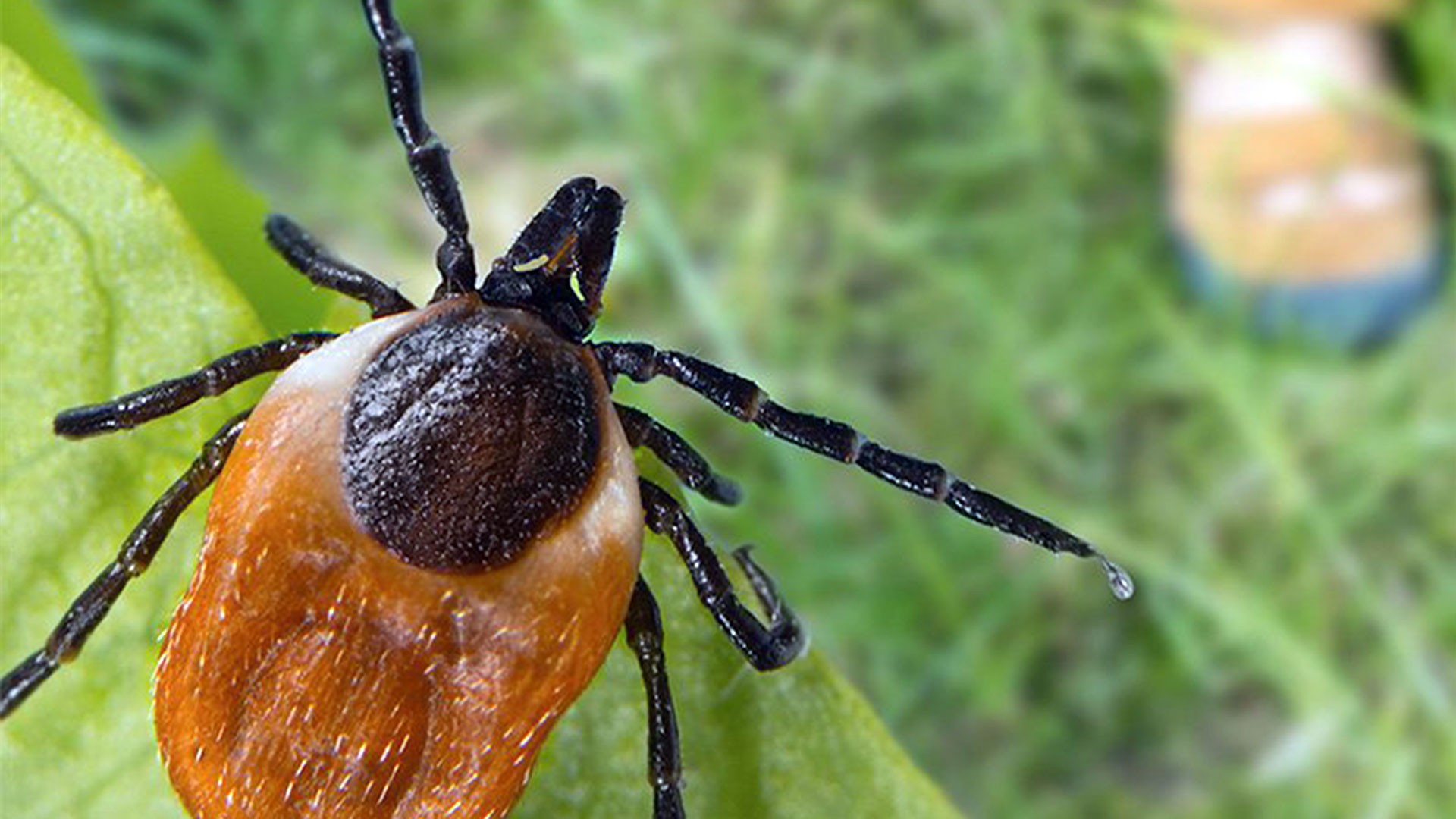
Lyme Disease & Ticks In Richmond, VA
Ticks are active in Richmond from early spring through fall, and Virginia is a high-risk state for Lyme disease, which spreads through the bite of infected blacklegged (deer) ticks. The best protection is a mix of personal habits, like repellent and tick checks, and keeping your yard trimmed and treated. May is Lyme Disease Awareness Month, a good reminder that tick season is here. Virginia is considered a high-risk state for Lyme disease, so understanding the risks, knowing how to spot ticks and their bites, and protecting your family and pets is essential. Find out everything you need to know about Lyme disease and ticks in Richmond below.
What is Lyme Disease?
Lyme disease is caused by the Borrelia burgdorferi bacterium, which is transmitted to humans through the bite of infected blacklegged ticks (also known as deer ticks). In most cases, a tick has to be attached for 36 to 48 hours or more to transmit Lyme disease, which is why finding and removing ticks quickly matters so much. This is fairly easy for them to do, since tick bites often go unnoticed.
Early symptoms of Lyme disease include fever, chills, fatigue, and joint pain. These can occur anywhere from a few days to a month after a tick bite. A red, expanding rash, sometimes with a bullseye look, appears in most cases, but not everyone gets it, so do not rule out Lyme disease just because there is no rash.
If left untreated, Lyme disease can cause chronic illness as it spreads to various parts of the body. Arthritis, nerve damage, and neurological issues are all common problems with advanced Lyme disease.
Ticks in Richmond, VA: What Residents Need to Know
Although deer ticks are the only tick species to transmit Lyme disease, other ticks are also common in the Richmond area. Lone Star ticks can cause a red meat allergy and American dog ticks can transmit Rocky Mountain spotted fever.
All ticks share similarities in how they behave and where they like to spend their time. Ticks prefer overgrown areas, such as tall grasses, piles of leaves, wooded areas, and overgrown yards. It doesn’t matter if you live in a rural, suburban, or urban area, ticks can be present.
When they’re in these areas, ticks wait for a person or animal to walk by so that they can climb onto them for a meal. They’ll lift their front legs in the air, waiting for someone to brush past them, then crawl around on their new host until they find a good spot to feed. Ticks usually prefer to bite warm, moist areas, such as the armpits, behind ears and knees, or on the scalp.
A tick can stay attached and feeding for several days. If you find a tick on you, but don’t know how long it’s been there, check to see if its body is flat or swollen. Ticks become engorged with blood the longer they feed, so there’s a good chance that a swollen tick has been attached for quite a while.
How to Protect Your Family and Pets
Protecting your family and pets from ticks requires you to be proactive, both on an individual level and around your property. The following tick prevention tips will help you avoid tick bites:
- Wear long sleeves and pants when hiking or gardening.
- Use EPA-approved repellents on skin and clothing.
- Perform full-body tick checks after time outdoors. Don’t forget to check behind the knees, underarms, and scalp.
- Treat pets with veterinarian-approved flea and tick prevention.
- Keep your grass trimmed and leaves raked.
- Cut back shrubs and bushes and eliminate overgrowth.
- Create a mulch or gravel barrier between lawns and wooded areas.
- Remove clutter, like wood piles and bird feeders that attract wildlife.
- Get routine tick control treatments for your lawn.
Ninefold Pest Tick Control Services
The best way to avoid ticks, tick bites, and Lyme disease when spending time on your own property is by getting routine tick control treatments for your lawn. With our tick control treatments, you get mosquito and flea control for your property too.
Our seasonal service begins with an inspection to identify the areas where ticks, mosquitoes, and fleas spend time. We’ll then apply a treatment of these areas to provide immediate relief and protection. By targeting the areas where ticks love to hide, we reduce their populations so that you don’t have to worry about them biting your family or pets.
Our seasonal tick, mosquito, and flea control extends from April through October. We’ll return to your property to deliver our people- and pet-friendly treatments each month so that you’re protected when these pests are most prolific.
Stay Informed, Stay Protected: Contact Ninefold Pest Today
Lyme disease is preventable with the right knowledge and protection. Instead of waiting to get bitten, take control of your family’s safety now by implementing tick prevention and control techniques around your yard. To learn more about our tick, mosquito and flea control in Richmond and elsewhere in our service area, or to schedule your first service, contact us today.
Tick and Lyme Disease FAQs
Ticks are most active from April through October in Virginia, but adult blacklegged ticks can be active on warm days in late fall and winter too.
Use fine-tipped tweezers to grab the tick as close to the skin as possible and pull straight up with steady pressure. Clean the area with soap and water or rubbing alcohol. Avoid twisting, burning or coating the tick.
Usually 36 to 48 hours or more, so daily tick checks after time outdoors are one of the best ways to prevent infection.
Yes. Ticks live in tall grass, leaf piles and wooded edges in neighborhoods of all kinds. Keeping grass short, clearing leaf litter and treating the yard all help.