
How Can I Spot Signs of Termites in My Scranton Home?
The main signs of termites in a Scranton home are pencil-width mud tubes on the foundation or in the crawl space, wood that sounds hollow when tapped, swarms of winged insects or piles of shed wings, and doors or windows that suddenly stick. Homeowners in Scranton often stop thinking about pests after summer, but that can be a mistake with termites. These pests don’t disappear with the change in seasons. Subterranean termites can stay active all year long under the right conditions, especially in warm, damp spaces like basements and crawl spaces. Even when outdoor temperatures drop, they can keep feeding and spreading inside climate-controlled homes. Infestations often go unnoticed because they tend to stay hidden until real damage has been done.
Every year, termites cause billions of dollars in property damage across the United States, and much of that destruction happens before property owners realize there’s a problem. The earlier you catch an infestation, the easier and less costly it is to deal with.
Here is how homeowners in Scranton and across Northeastern Pennsylvania can recognize the signs of termite activity and protect their homes from these destructive pests.
Why Termites Are a Real Threat in Scranton
Subterranean termites are the most common species in our region. They prefer warm, moist conditions, so they’re especially active in summer. Since they live in underground colonies, cold weather isn’t a problem; they simply move deeper below the frost line or settle into warm, heated homes to stay active year-round.
Scranton’s older homes and wood-based construction make the area even more vulnerable. Subterranean termites prefer soft or water-damaged wood, but don’t stop there. Even dry, solid wood can become fodder for termites once they’ve moved in. And because they tend to operate under the radar behind walls and under floors, they can be active for months or even years before they’re discovered.
Signs of a Termite Problem in Your Home
Termites are stealthy. You’re unlikely to see them crawling out in the open, and they don’t make much noise as they do their destructive work. Still, they do leave behind some clues. If you know what to look for, you can catch a termite problem early.
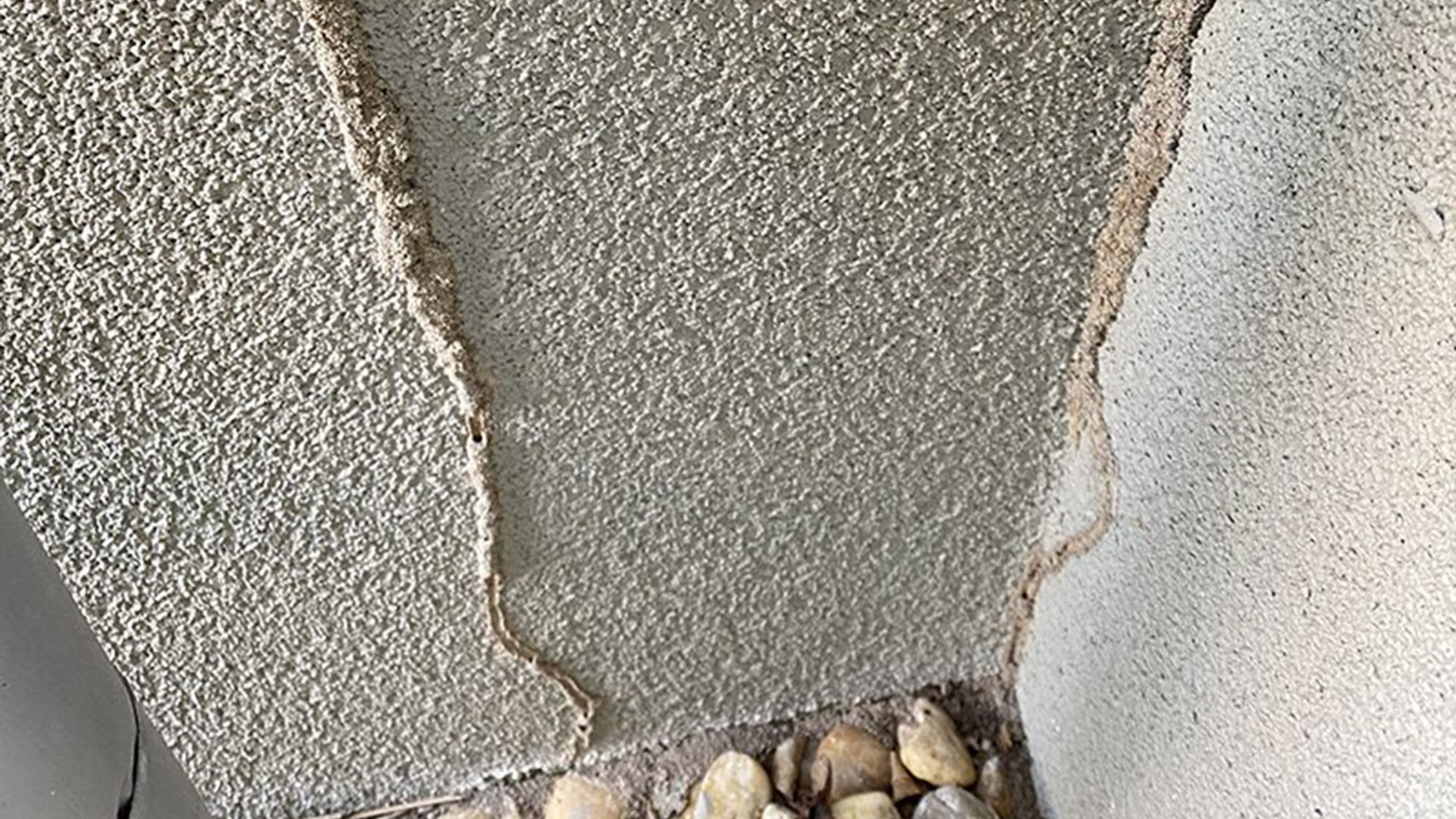
Mud Tubes
These narrow tunnels, about the width of a pencil, are made of dirt and termite saliva. Termites build them along walls, foundations, and other surfaces to safely travel between their colony and food source. If you spot mud tubes on your foundation or inside your crawl space, termites are likely present.
Hollow-Sounding or Damaged Wood
Termites feed on the inside of wood, so damage often isn’t visible on the surface. If you tap on baseboards, window sills, or door frames and they sound hollow, that’s a red flag. You might also notice peeling paint, bubbling wallpaper, sagging floors, or bulging walls. These are all signs that the wood behind them has been compromised, often significantly.
Swarmers (Winged Termites)
Swarmers are reproductive termites that emerge in groups during the spring to start new colonies. If you see a sudden appearance of winged insects near your windows, doors, or lights, it could be a termite swarm. Even if you don’t see the swarm, piles of shed wings strongly indicate that termites are nearby.
Tight-Fitting Doors or Windows
As termites eat through wooden frames, moisture can accumulate. That moisture causes wood to swell or warp, making your windows and doors stick or become hard to open and close. If your frames suddenly don’t fit like they used to, it may not just be humidity. It could be termites.
Where to Check for Termite Activity in Your Scranton Home
There are certain areas where signs of activity are more common. Make it a habit to check the following areas regularly:
- Basement walls and crawl spaces
- Window sills and door frames
- Wooden porches and deck supports
- Floor joists, attic beams, and any exposed structural framing
What to Do If You Suspect Termites
If you have noticed any of these warning signs, or you are just not sure, do not wait. Contact Ninefold Pest for assistance right away. Our trained experts know exactly where to look and what to look for to confirm whether termites are present.
Catching a termite problem early can prevent significant damage and expensive repairs (repairs that homeowners’ insurance doesn’t typically cover), so acting quickly is always in your best interest.
Why Choose Ninefold Pest in Scranton
If your home doesn’t have termite protection, it’s time to take action. Ninefold Pest offers comprehensive termite control services that start with a professional inspection to identify activity, damage, and conducive conditions.
Based on our assessment, we’ll recommend the best termite treatment option for your structure. Whether that’s the installation of a termite baiting system or a liquid treatment, you can rely on our team to provide long-term protection for your home!
Request a free termite inspection or call 888-902-3540 to get started.
Scranton Termite FAQs
Subterranean termites slow down in cold weather, but colonies move deeper into the soil or stay active under heated homes, so they can keep feeding year-round. See why termites are still a threat in Scranton.
Usually in spring, often on warm days after rain. Swarmers inside the house, especially near windows and in basements, are a strong sign of an active colony.
Narrow tunnels of soil about the width of a pencil, running up foundation walls, basement walls or piers. Leave the tube intact and take a photo. An inspector can learn more from an undisturbed tube.
Usually not. Most policies treat termite damage as preventable, which is why yearly inspections are worth it.