
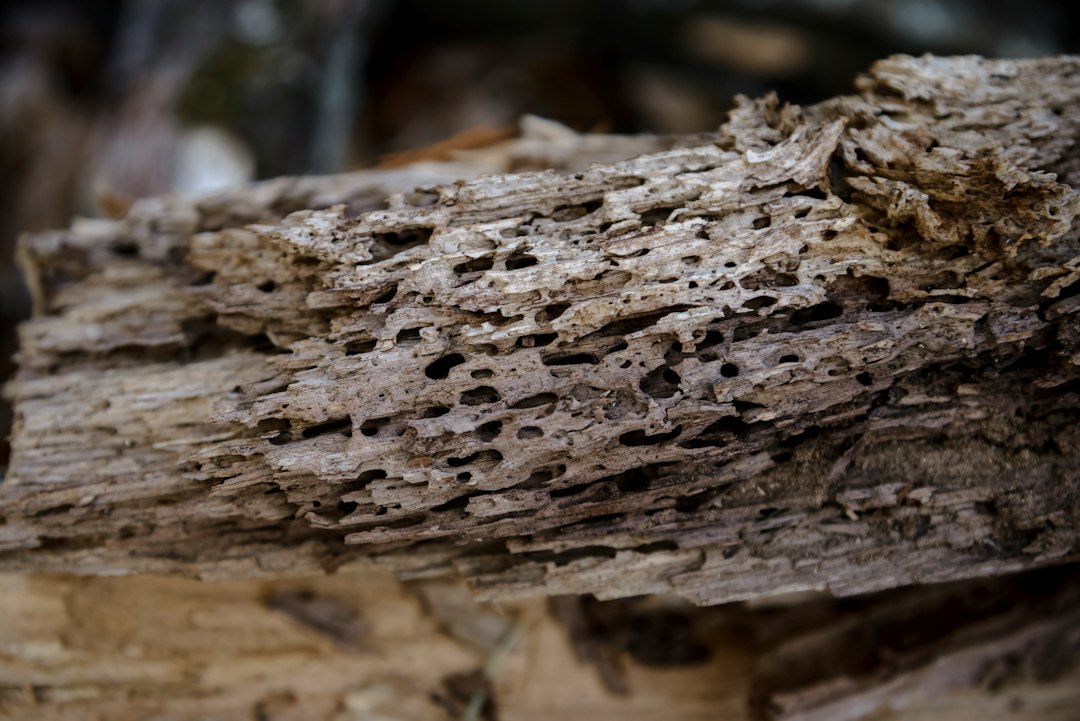
Finding Local Termite Companies That Actually Solve the Problem
How to Find Local Termite Companies That Solve the Problem
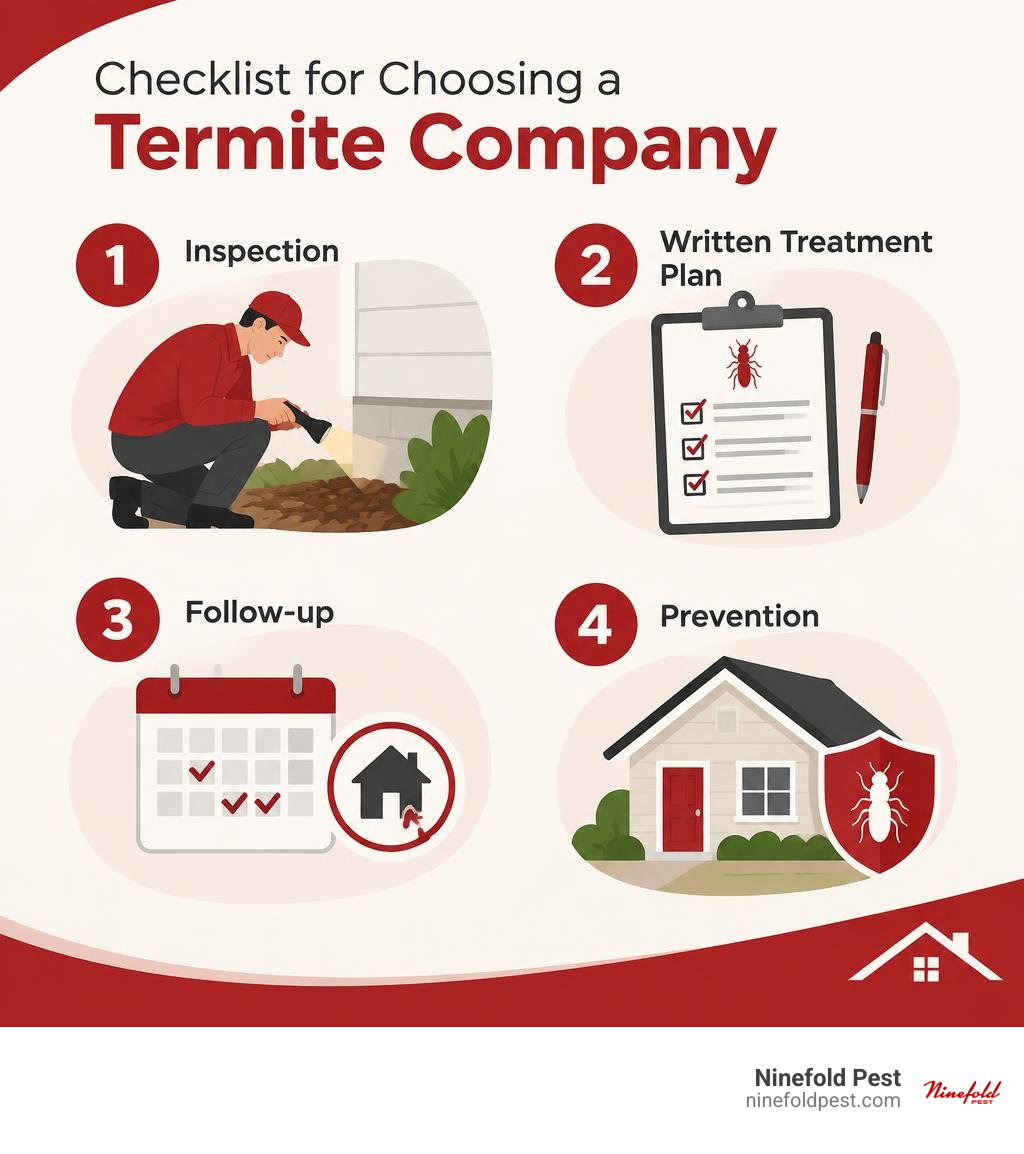
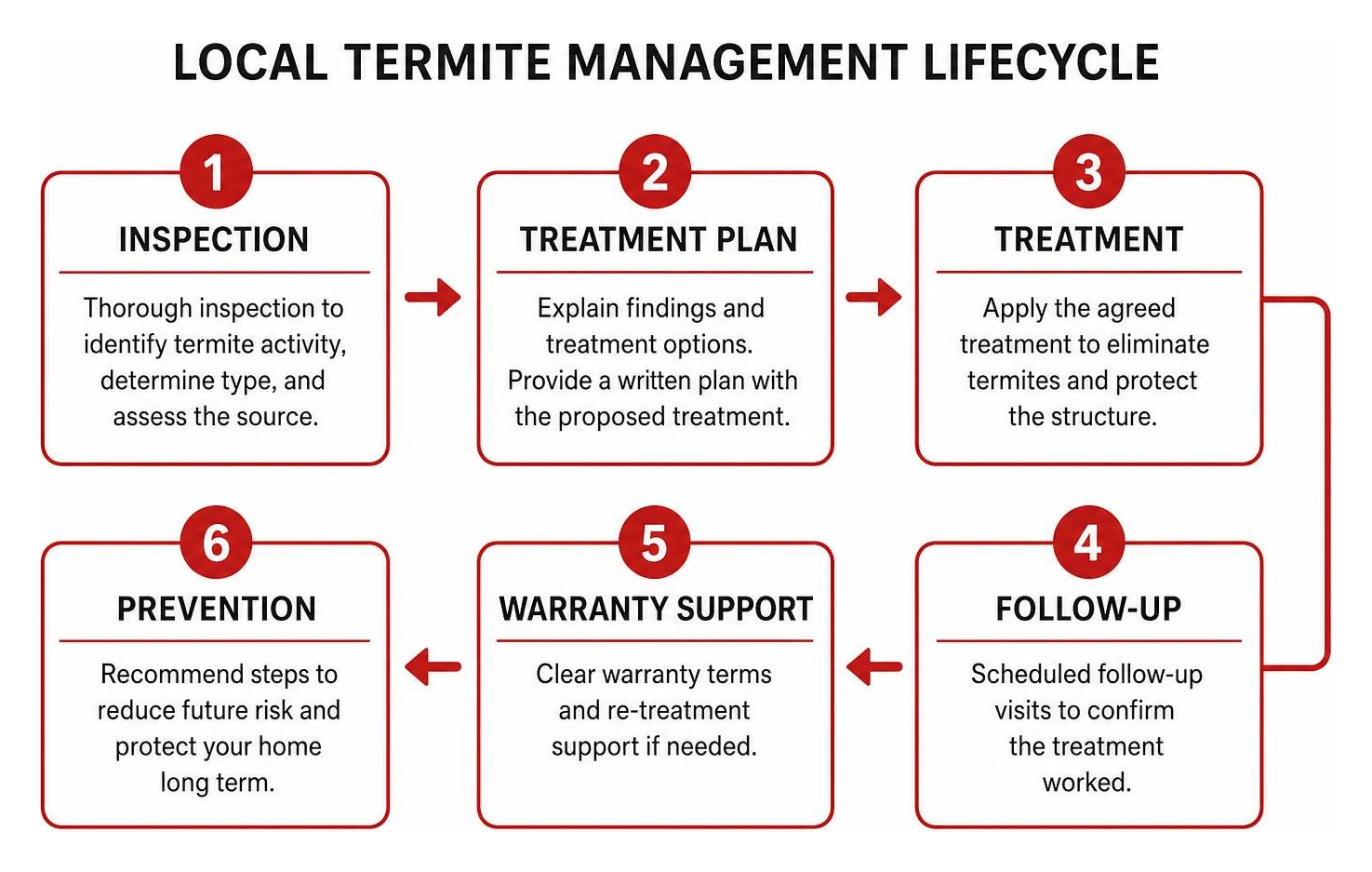
To choose among local termite companies, start with an inspection, not a price quote alone. Check each company’s state license and insurance. Then compare written estimates that name the termite type, explain the proposed treatment, and spell out follow-up visits and warranty terms. A low price is little help if the plan does not address the source of the infestation.
Termites can damage wood long before the problem is obvious. The right company should be able to show you what it found, explain your options in plain language, and tell you how it will check that the treatment worked.
Here at Ninefold Pest, we focus on clear communication to help homeowners understand their professional pest control options.
Why Choosing Local Termite Companies Makes a Difference
Across the United States, termites cause over $5 billion in property damage annually. On top of that, property owners spend roughly $2.5 billion each year on structural repairs and professional treatments. With approximately 600,000 U.S. homes requiring treatment every single year, an active infestation is not something you want to leave to chance—or to a generic, one-size-fits-all extermination strategy.
Choosing a dedicated local provider gives you a distinct advantage. Local exterminators work directly in your neighborhood every day. They understand how regional construction styles, soil compositions, and seasonal temperature swings impact subterranean termite pressure. Whether your home rests on red clay in Birmingham, Alabama, sits near coastal moisture in Chesapeake, Virginia, or experiences winter freeze-thaw cycles in Allentown, Pennsylvania, regional specialists tailor their approaches to the exact environment surrounding your foundation.
| Comparison Factor | Local Termite Companies | Large National Call Centers |
|---|---|---|
| Response Speed | Fast, often offering same-day or next-day appointments | Routed through centralized queues, often taking several days |
| Regional Climate Expertise | Deep knowledge of local soil types, moisture profiles, and building styles | Standardized national playbooks that may overlook regional soil quirks |
| Technician Consistency | Dedicated local technicians familiar with your property history | Frequent turnover with rotating, unfamiliar field staff |
| Accountability & Warranties | Direct access to local leadership with clear re-treatment terms | Complex corporate customer service processes for warranty claims |
Benefits of Hiring Local Termite Companies
When you work with a regional provider, you get direct communication and genuine accountability. You are never routed to an out-of-state call center that treats your urgent structural issue like an abstract ticket number. Instead, you speak with professionals who live and work in the same community.
Technician consistency plays a major role in long-term protection. Termite control is not an isolated event; it is an ongoing defensive strategy. A dedicated technician who inspects your foundation year after year knows where past moisture issues occurred, where expansion joints lie, and where landscaping might create hidden entry points. That consistency integrates seamlessly with broader residential pest control services, ensuring your home remains protected across all four seasons.
Understanding Inspection Costs and Pricing Models
Professional termite treatments from local companies generally range from $200 to $900, with an industry average of about $575. However, the final price depends on several factors:
- Foundation Type: Monolithic slab foundations, crawlspaces, and full basements require different drilling, trenching, and application techniques.
- Linear Footage: Treatment pricing is calculated primarily by the linear perimeter of the structure rather than interior square footage alone.
- Infestation Severity: Simple preventative barriers cost less than intensive, multi-point corrective treatments needed for deep-seated infestations.
- Treatment Method: Non-repellent liquid soil barriers and monitored bait station matrices carry distinct material and labor costs.
Many reputable local companies provide upfront pricing or free preliminary evaluations for homeowners requesting a free quote before committing to an extensive service agreement.
Detecting Infestation Signs and Selecting Effective Treatments
Subterranean termites are found in every U.S. state except Alaska, infesting roughly 1 in every 5 homes in high-risk zones. Unlike pests that leave obvious traces out in the open, termites consume structural wood from the inside out, often leaving behind a wafer-thin layer of paint or outer wood grain that conceals hollow timber underneath.
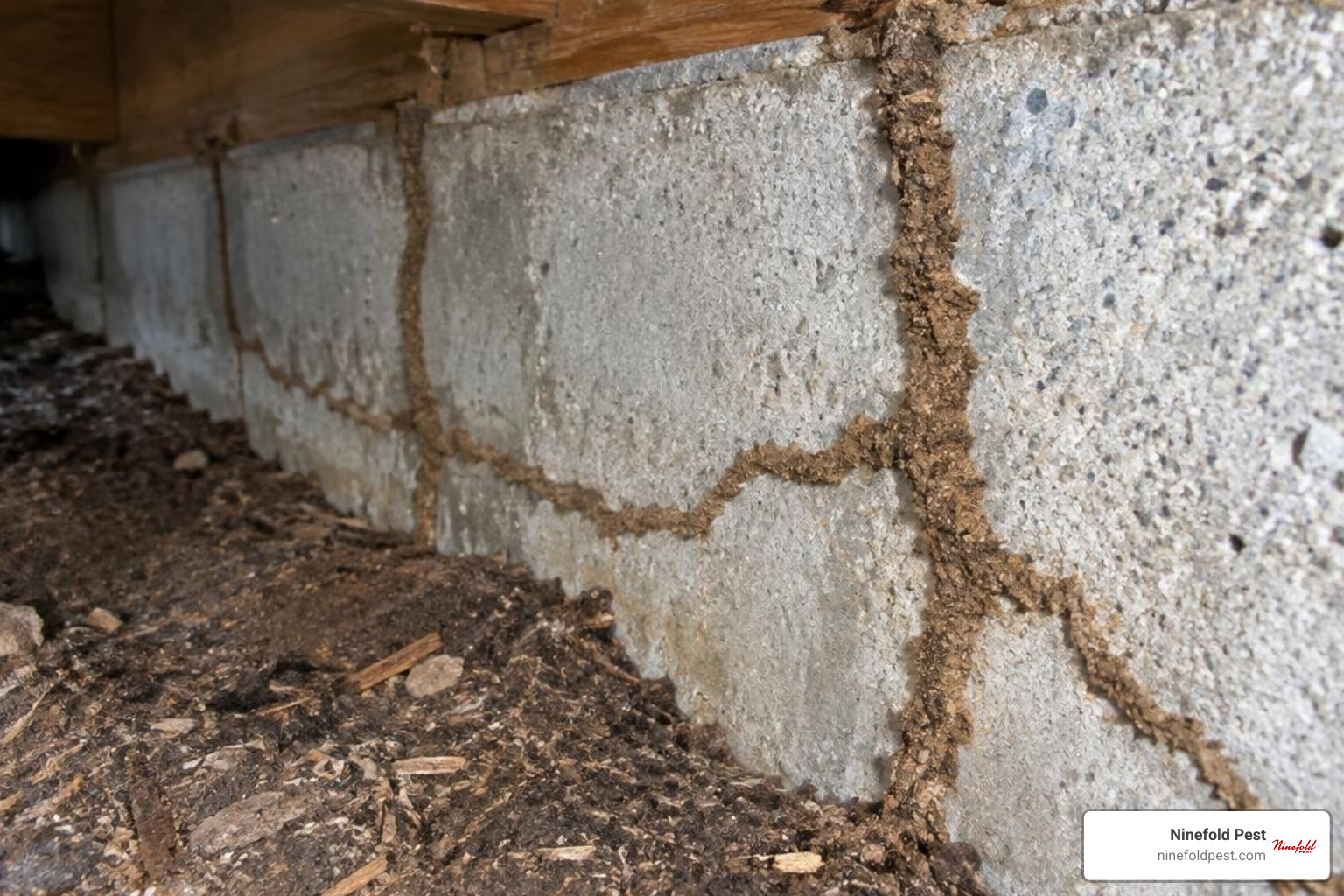
To protect your investment, understanding basic termite behavior and identification helps you identify subtle warning signals before massive structural failure occurs.
Structural Warning Signs Homeowners Must Watch For
- Mud Tubes on Foundation Walls: Subterranean termites construct pencil-sized tunnels made of soil, saliva, and wood particles to maintain humidity and shelter themselves from dry air as they travel from the ground into your floor joists.
- Discarded Swarmer Wings: During reproductive swarming periods, winged termites emerge to mate, shed their translucent wings on windowsills, porches, or baseboards, and seek new soil contact.
- Hollow-Sounding Timber: When you tap on baseboards, support posts, or headers with a screwdriver handle, compromised wood sounds distinctly hollow or papery.
- Bubbling or Peeling Paint: Trapped moisture produced behind interior drywall or baseboards by active colonies often mimics water damage, causing paint to bubble, crack, or sag.
- Frass Accumulation: While subterranean species pack mud into their galleries, drywood species push small, six-sided wood-colored fecal pellets out through tiny kick-out holes.
Core Treatment Options Offered by Regional Exterminators
Qualified local exterminators rely on targeted, professional-grade methodologies to eradicate colonies at their biological source.
| Treatment Method | Typical Application | Eradication Speed | Primary Advantage |
|---|---|---|---|
| Liquid Soil Barriers | Continuous trenching and rodding around foundation perimeter | Immediate barrier; colony elimination in weeks | Stops active entry and provides immediate perimeter defense |
| Bait Station Systems | Tamper-resistant stations installed in soil at regular intervals | 60 to 90 days for complete colony collapse | Continuous monitoring with zero interior disruptions |
| Direct Wood Injections | Localized foam or liquid termiticide injected into structural galleries | Fast local knockdown within target timber | Direct delivery into active structural feeding galleries |
How to Vet Providers and Avoid Costly Hiring Mistakes
Never rush into a termite contract under high-pressure sales tactics. While discovering termites is stressful, taking a few days to evaluate certified professionals will ensure the work is done properly.
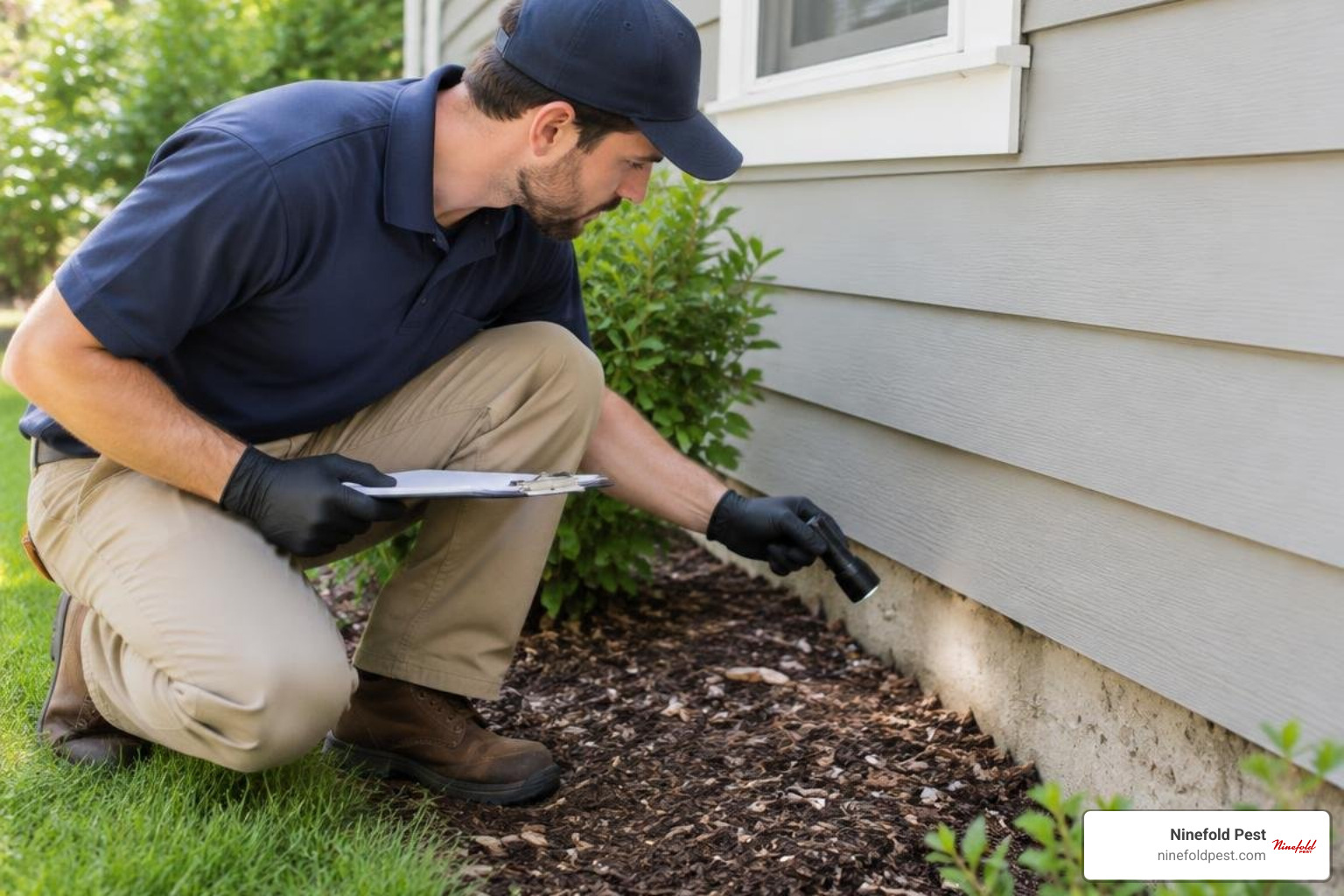
Always verify that any prospective exterminator holds active licenses with your state’s Department of Agriculture or structural pest control licensing board. Ensure they carry comprehensive general liability insurance and workers’ compensation coverage to protect your property during intensive perimeter work.
Questions to Ask Local Termite Companies Before Signing a Contract
Before signing an agreement, ask these direct questions to ensure complete clarity:
- What specific termiticide or bait system do you use, and why is it best suited for my foundation?
- Does your quote include a full structural inspection of all accessible crawlspaces, basements, and attic voids?
- What are the exact terms of your re-treatment warranty if termites reappear within the next 12 months?
- Is the warranty transferable to a new buyer if I sell my home?
- What specific follow-up visits or ongoing monitoring inspections are included in the price?
Avoiding common hiring pitfalls—such as accepting vague verbal promises, selecting contractors who refuse to provide written structural diagrams, or choosing uncertified handymen—will save you thousands of dollars in secondary structural repairs down the road.
Property Preparation, Timelines, and Long-Term Prevention
To ensure a smooth and effective treatment day, local exterminators typically ask property owners to complete a few basic preparatory steps:
- Clear stored items, boxes, and clutter at least two feet away from interior foundation walls and crawlspace entry hatches.
- Trim dense shrubs, ground cover, and mulch back from the exterior perimeter foundation to provide clear access to the soil line.
- Ensure exterior water spigots and crawlspace access doors are unlocked and functional.
- Keep pets and children secured indoors or off-site while technicians trench, inject, and install perimeter barriers.
Liquid non-repellent barriers begin working immediately as worker termites pass through the treated zone, spreading the active ingredient throughout their colony via social grooming. Monitored bait systems work methodically over two to three months to halt worker molting and eliminate the entire subterranean nest.
To maintain ongoing defense after eradication, homeowners pair their initial service with customized termite control solutions and comprehensive annual pest prevention coverage to ensure new colonies never establish a foothold.
Frequently Asked Questions About Termite Extermination
How long does it take to eliminate an active termite colony?
Treatment duration depends on the method used. Non-repellent liquid soil treatments establish an immediate defensive zone that eliminates active foragers within a few weeks. In-ground bait station matrices typically achieve complete colony elimination within 60 to 90 days as the insect growth regulator spreads to the queen and developing larvae.
What is the typical cost range for professional termite treatment?
Most standard residential treatments from professional local providers fall between $200 and $900, averaging around $575. Complex properties with expansive linear footages, deep crawlspaces, or extensive perimeter slab drilling may require larger investments based on the labor and volume of termiticide needed.
Do local exterminators provide transferable warranties?
Yes, reputable local exterminators frequently provide service warranties—often called termite bonds—that cover free re-treatments if activity returns during the warranty period. Many companies permit you to transfer this warranty directly to the next homeowner if you sell your property, providing valuable peace of mind during real estate transactions.
Conclusion
Protecting your home from costly structural damage requires a clear plan, verified expertise, and a team that understands your area’s specific pest pressures. By focusing on verified licensing, transparent written treatment plans, and dependable ongoing monitoring, you can easily filter out low-quality contractors and find true pest professionals.
At Ninefold Pest, we protect homes across Alabama, Utah, Virginia, and Pennsylvania using our proven Inspect-Protect-Prove process. When you are ready to secure your property with reliable, prompt service and guaranteed results, schedule comprehensive termite control with our team today.

Ninefold Pest protects homes and businesses with pest control built on transparency, consistency, and a genuine service guarantee. Our 9X Protection Plan covers a complete home inspection, targeted exterior and interior treatments, and a detailed video recap sent directly to you after every visit. We defend against ants, spiders, roaches, wasps, hornets, rodents, and more with treatments safe for kids and pets once dry. Straightforward pricing, no pressure, and a worry-free guarantee on every service.