
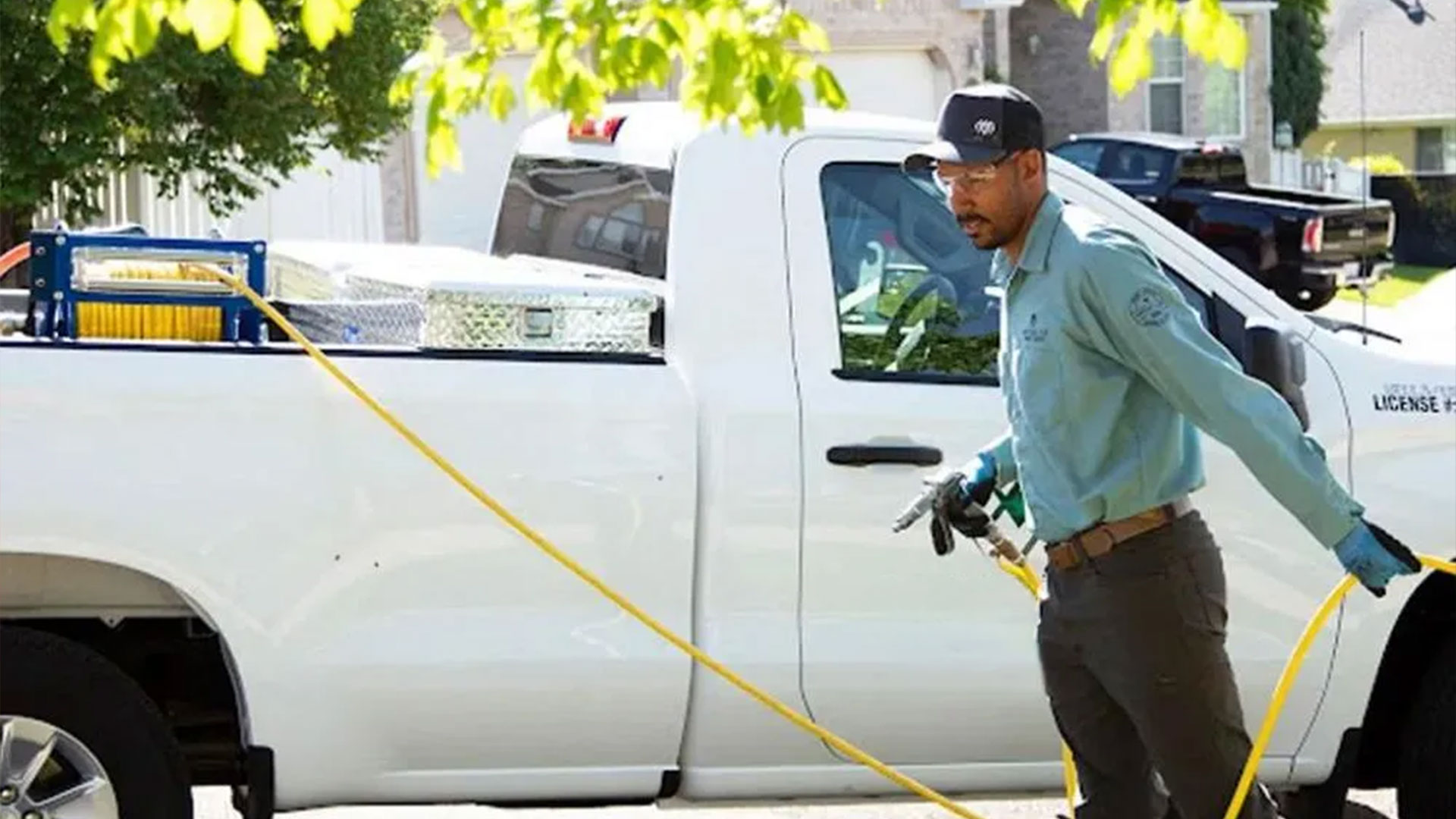
Eco-Friendly Pest Control Solutions for Conscious Homeowners
Eco-friendly pest control means managing pests with as little impact on your family and the environment as possible. In practice, that is integrated pest management (IPM): inspect first, fix the conditions that attract pests, use exclusion and traps where they work, and apply targeted, low-toxicity products only where pests are active. For Utah homeowners, it handles ants, spiders, earwigs, boxelder bugs and mice without heavy spraying.
What Eco-Friendly Pest Control Means
It does not mean using no products at all. It means the right product, in the right place, in the smallest amount that works, combined with prevention so you need less of it over time. We cover the basics in how to manage pests without harsh chemicals.
The Benefits
A Healthier Home
Targeted crack-and-crevice treatments and enclosed baits keep products away from counters, floors and the places kids and pets spend time. That matters most for children, pets and anyone with allergies or asthma.
Less Impact Outdoors
Broad spraying can affect soil, gardens and helpful insects like bees. Targeted perimeter treatments keep product where pests travel, away from flowering plants and vegetable beds.
Longer-Lasting Results
Because IPM fixes the reasons pests show up, like gaps, moisture and clutter, problems are less likely to come back. That means fewer treatments over time and less chance of pests building resistance.
Lower Long-Term Cost
Sealing entry points and fixing moisture are one-time efforts that keep paying off, and preventing an infestation is almost always cheaper than treating one.
Eco-Friendly Methods That Work in Utah Homes
- Exclusion: sealing gaps around the foundation, doors, windows and utility lines. See how to seal cracks and gaps.
- Moisture control: fixing leaks and drying out basements and window wells, which cuts down earwigs, silverfish and spiders.
- Baits: for ants, so workers carry a small amount back to the colony.
- Traps and exclusion for mice, rather than loose poison indoors.
- Web removal and vacuuming for spiders and boxelder bugs.
- Targeted perimeter treatment around the foundation when prevention is not enough.
What About Natural Remedies?
Essential oils, vinegar and similar home remedies have mild, short-lived effects at best, and some oils, like tea tree and eucalyptus, are toxic to cats and dogs. They are not a substitute for sealing, sanitation and targeted treatment.
Getting Started
Ninefold Pest uses family- and pet-safe products as the default across Northern Utah, including the Lindon and Riverdale areas. Call (385) 455-7077 or request a free quote. Read more in how pet-safe pest control works.
Eco-Friendly Pest Control FAQs
Yes, for most household pests. Because it combines prevention with targeted treatment, results usually last longer than spraying alone.
Usually not. It uses far less product, in targeted spots, and relies on prevention, sealing and traps to do most of the work.
Not on their own. Their effect is mild and short-lived, and several are toxic to pets.
Pavement ants, spiders, mice, wasps, boxelder bugs, earwigs and silverfish are the most common. See the most common pests in Utah homes.