
Are Pests in Your Home Putting Your Family’s Health at Risk?
Yes, household pests can put your family’s health at risk. Cockroaches and rodents spread bacteria and trigger allergies and asthma, rodent droppings can carry disease, and venomous spiders and mosquitoes add their own risks. Most people think of pests as annoying, maybe even gross, but few realize how much they can affect health. The truth is, many common household pests can have a direct impact on your family’s health. From spreading bacteria to triggering allergies and asthma, pests often bring more than just discomfort into your home.
In homes across Utah, we see it all the time. A few ants in the kitchen or a mouse in the garage might not seem like a big deal, but the health risks can add up quickly, especially when pests go unnoticed for too long.
In this post, we break down how pests affect your health, which ones to watch out for, and what you can do to keep your home, and your family, safe.
1. How Pests Can Impact Your Health
Pests aren’t just a problem because they’re creepy or inconvenient. They leave behind bacteria, allergens, and contamination that can build up in your home, and that buildup can directly affect your health.
Here are a few ways pests can cause trouble indoors:
- Contamination: Pests like roaches and rodents spread bacteria through their saliva, droppings, and urine. When they crawl across countertops, food, or dishes, they leave harmful germs behind.
- Air quality issues: Shed skin, dried droppings, and nesting materials can become airborne, especially in enclosed or poorly ventilated spaces. This can irritate allergies or make asthma worse.
- Allergic reactions: Roaches and rodents are known to trigger allergic symptoms in children and adults. Even if you don’t see them, their presence can still cause sneezing, coughing, itchy eyes, or skin irritation.
- Disease transmission: Some pests are known carriers of serious illnesses. Rodents, mosquitoes, and ticks can transmit diseases to humans directly or through contamination.
The longer pests are active in your home, the more these health risks build up, which is why early prevention and proper treatment are so important.
2. Common Household Pests and the Health Risks They Bring
Not all pests are equally dangerous, but many of the ones we see in Utah homes can create serious health concerns if left unchecked. Here are some of the most common offenders and what they can bring with them:
Cockroaches
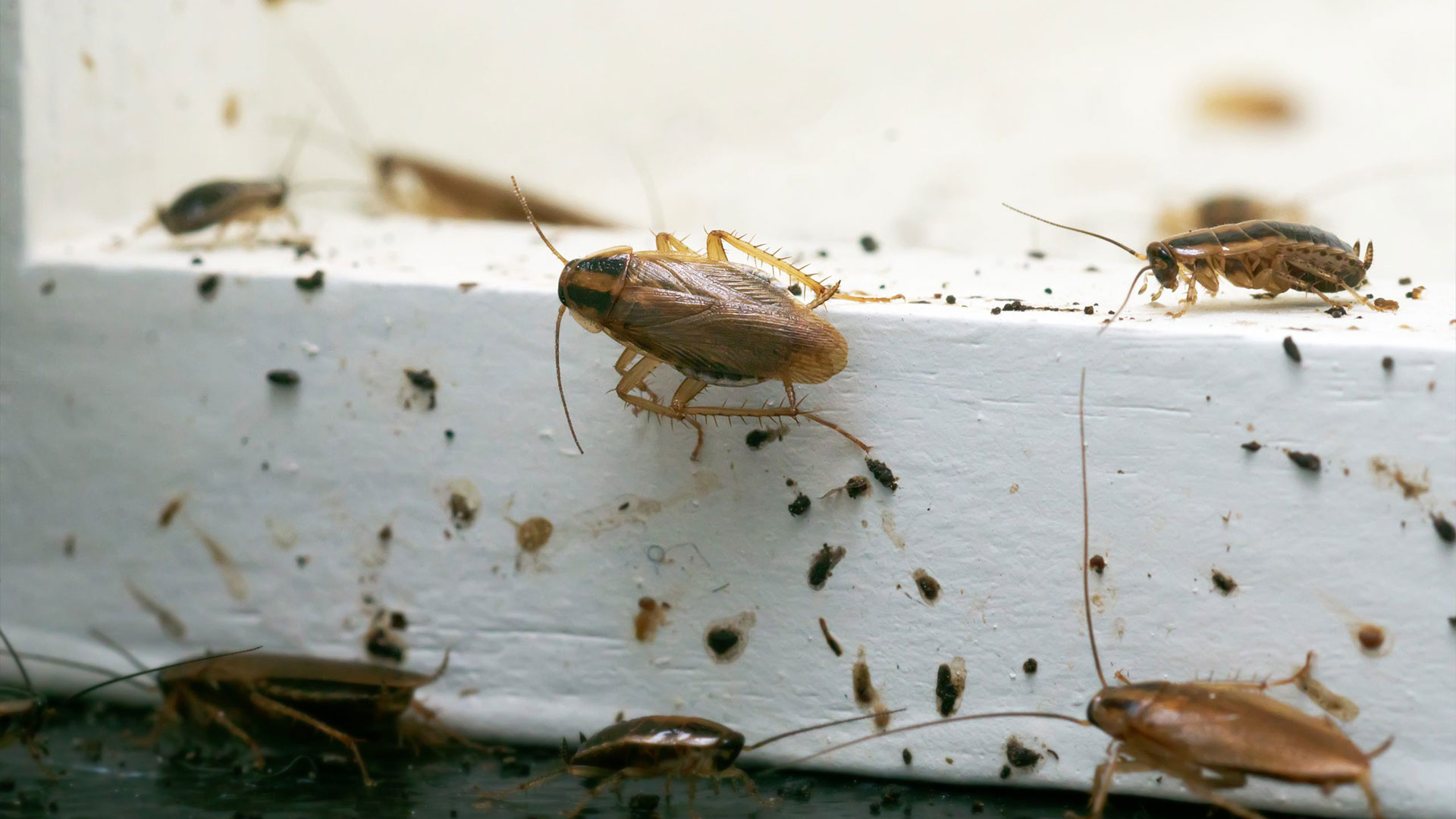
These pests are known to trigger asthma and allergy symptoms, especially in children. See our cockroach control service. Their saliva, droppings, and shed skin can pollute the air and surfaces in your home. They also carry bacteria like salmonella and E. coli, which can contaminate food and prep areas.
Rodents (Mice and Rats)
Rodents spread diseases through their droppings and urine, including hantavirus and leptospirosis. They can also chew through food packaging, wiring, and insulation, creating both contamination and fire hazards. See our rodent control service.
Spiders
Most household spiders are harmless, but venomous ones like the black widow can cause serious reactions if they bite. Their presence may also signal other insect activity in your home.
Ants
While most ant species are more of a nuisance, some can contaminate food and surfaces. Carpenter ants can also create structural issues by tunneling through damp wood.
Mosquitoes
These are more of a concern outdoors, but they can find their way inside too. Mosquitoes can transmit viruses like West Nile and cause allergic reactions from their bites.
For more on these and other pests, see our pest library.
3. Early Warning Signs That Pests Are Affecting Indoor Health
You don’t have to see pests crawling around to know they’re causing problems. Often, it’s the symptoms in your home, and in your family members, that show up first.
Here are some early signs to watch for:
- Allergy flare-ups or asthma symptoms, especially indoors or in certain rooms
- Strange or persistent odors, which may come from droppings, nests, or decay
- Unexplained bites or skin irritation, which could point to spiders, mosquitoes, or even fleas
- Droppings or shredded materials, often hidden in drawers, cabinets, or behind furniture
- Visible signs of nesting like chewed insulation, paper, or fabric
- Food contamination: chewed packaging or items that smell off without explanation
If you’re noticing any of these signs, it’s a good time to take a closer look, or call in an expert to inspect hard-to-reach areas. Catching pest issues early can prevent a much bigger impact on your health and home.
4. Steps You Can Take to Reduce Pest-Related Health Risks
The good news is you don’t have to wait for an infestation to start protecting your home. A few simple habits can go a long way in making your space less inviting to pests and safer for your family.
Here’s what we recommend:
Store Food Properly
Use airtight containers and avoid leaving food or dirty dishes out overnight. Don’t forget to seal pet food, too.
Take Out the Trash Regularly
Make sure garbage bins have lids and clean them out if food or liquids spill inside.
Keep Your Home Dry
Fix leaky pipes and faucets, run dehumidifiers in basements, and avoid letting water pool around your foundation.
Clean Regularly
Vacuum crumbs, sweep behind appliances, and wipe down shelves, especially in kitchens and pantries.
Seal Entry Points
Use caulk or weatherstripping to close gaps around windows, doors, pipes, and baseboards.
Declutter Storage Areas
Pests love undisturbed piles of boxes or bags. Organize closets, garages, and attics with sealed plastic bins instead of cardboard.
Schedule Seasonal Inspections
Getting ahead of pest problems with routine checkups makes it easier to catch issues before they affect your health.
These steps are simple and provide much more than comfort. They help protect your air quality, food safety, and peace of mind.
5. When to Bring in a Professional
Sometimes, even when you’ve done everything right, pests still find their way in. If you’ve started noticing signs of activity, or your family is experiencing unexplained symptoms that could be pest-related, it’s time to call a professional.
Here’s when to reach out to Ninefold Pest:
- You’re seeing pests regularly, even after trying DIY methods
- You suspect hidden activity in the attic, crawl space, or walls
- You’ve noticed recurring allergy or asthma symptoms indoors
- You’re concerned about your kids’ or pets’ exposure to pest-related allergens or contamination
- You just want peace of mind that your home is safe and protected
Our team will inspect your home, identify risk areas, and create a treatment plan that’s safe, effective, and tailored to your needs. We also offer year-round prevention services, so pests don’t get the chance to come back.
The Best Pest Control is Proactive
Pest problems often start small, but the impact on your home and your health can grow quickly. Whether it’s allergens in the air, bacteria on your counters, or signs of nesting in hard-to-reach places, pests have a way of making themselves known when it’s already past the point of prevention.
Taking action early is the best way to avoid stress and protect the people who live with you. Clean habits and smart prevention help, but expert support ensures you’re covered from top to bottom.
Request a free quote or call 888-902-3540. We serve Utah families from the Lindon and Riverdale areas. For more on what happens when pests go untreated, read the hidden health risks of ignoring a pest infestation.
Pests and Family Health FAQs
Rodents and cockroaches are the biggest everyday concerns because they contaminate food and trigger allergies. Black widows, ticks and mosquitoes are less common but can cause serious problems.
No. Brown recluses do not live in Utah. The venomous spider to watch for in Utah is the black widow.
Yes. Dried droppings, shed skins and nesting material can become airborne dust that irritates allergies and asthma.
Modern residential treatments use targeted, low-toxicity products. Keep kids off treated areas until they dry, and ask your technician what was used.