
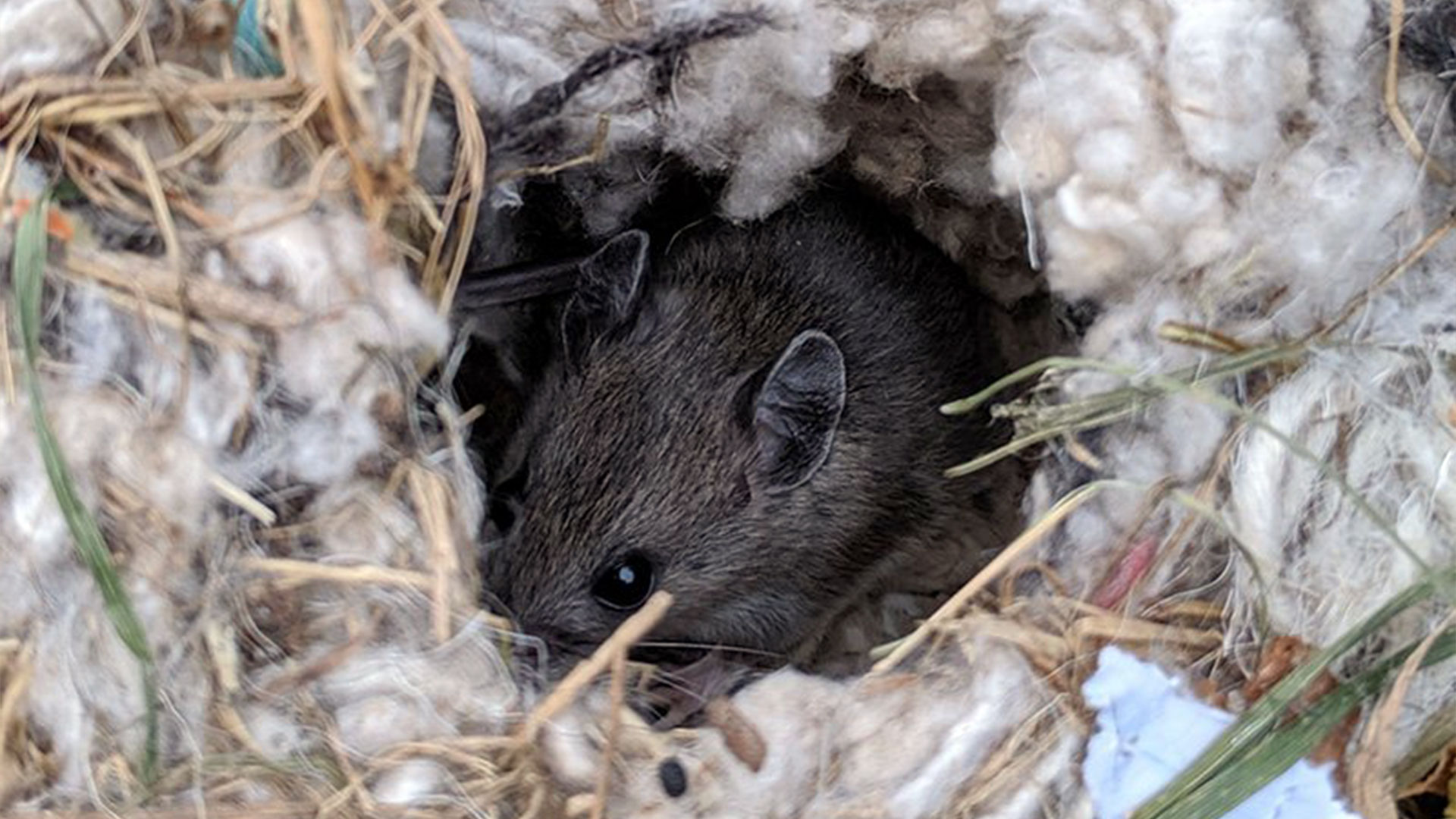
Where Do Mice Usually Nest in a House?
Mice usually nest in warm, quiet places close to food: attics, wall voids, basements and crawl spaces, behind appliances, inside cabinets and pantries, and in garages. Winter is peak mouse season in Scranton, Wilkes-Barre and across Pennsylvania, so knowing where to look helps you catch a problem before it grows.
What This Blog Covers:
- Why mice enter Pennsylvania homes in winter
- How mice choose their nesting spots
- Most common indoor nesting locations
- Signs that mice are nesting nearby
- Why mice are a problem for homeowners
- Tips to prevent a mouse infestation
- When to contact Ninefold Pest for help
Why Mice Enter Homes
Mice usually come indoors for two main reasons:
1. Shelter: Winters are cold in our region. As temperatures drop in the fall, mice seek warmer, safer spaces than their outdoor nests.
2. Food: Outdoor food sources become scarce in winter. Mice look for easy access to food inside your home, and a steady supply paired with safe nesting areas can quickly turn a few mice into a full-blown infestation.
Common mouse entry points in Pennsylvania homes include:
- Cracks in foundations or walls
- Gaps around doors, windows, and utility lines
- Damaged weather stripping
- Attic vents and rooflines
How Mice Choose Nesting Spots
Mice look for three main things when selecting a nest:
- Safety: Secluded, quiet areas where they won’t be disturbed.
- Warmth: Sheltered, insulated spaces that provide comfort during cold months.
- Proximity to Food: Nesting sites close to food sources minimize the need for risky trips across your home.
Common Indoor Nesting Locations
Understanding mouse preferences can help you identify potential nesting areas in your home:
- Attics: Warm, quiet, and well-insulated, attics are ideal for nests and allow mice to move undetected through wall voids.
- Wall Voids & Ceiling Cavities: Hidden spaces provide warmth, protection, and easy travel paths throughout your home.
- Basements & Crawl Spaces: Slightly cooler than attics, but still warmer than outdoors and offering plenty of shelter.
- Behind or Under Appliances: Heat-producing appliances, such as refrigerators and ovens, provide warmth and safety.
- Kitchen Cabinets & Pantries: Deep or rarely used recesses near food sources can attract nesting mice.
- Garages & Storage Areas: Garages and storage spaces are easy to access and often contain food, cardboard, or other nesting materials.
Signs Mice Are Nesting Nearby
Detect a potential infestation early by looking for:
- Droppings near food or along walls
- Gnaw marks on packaging or household items
- Grease or trail marks along walls and baseboards
- Musky odors in closets or attics
- Scratching or squeaking noises at night
- Sightings of live or dead mice
Why Mice Are a Problem
Mice are more than a nuisance. They cause real damage and can make people sick:
- Property Damage: Chewing on insulation, wiring, plumbing, and structural elements increases the risks of fire and water damage.
- Health Risks: Mice contaminate food and spread diseases.
- Rapid Reproduction: Small infestations can quickly grow, creating costly problems.
How to Prevent Mice in Your Home
Preventing an infestation is easier and less expensive than dealing with one after it has started. Homeowners can reduce risk by:
- Sealing cracks and gaps around foundations, doors, windows, vents, and utility lines
- Installing weatherstripping, door sweeps, and intact screens
- Decluttering attics, basements, garages, and storage areas
- Using plastic storage bins instead of cardboard boxes
- Storing all food in airtight containers
- Fixing leaks, removing standing water, and reducing humidity
- Signing up for home pest control services
When to Contact Ninefold Pest
The key to avoiding damage and health risks is prevention. Ninefold Pest provides home pest control services to homeowners in Northeastern Pennsylvania. If you want to keep mice out or you already have them, our local team will inspect your home, find how they are getting in and set up rodent control that keeps working all winter and beyond.
Think mice have moved in? Request a free quote or call 888-902-3540 and we will find the nest and the gaps they are using.
Mouse Nest FAQs
A mouse nest is a loose ball of shredded material, about the size of a softball or smaller. Mice use whatever is close: insulation, paper, fabric, cardboard, dried plants. You will usually find droppings nearby and a musky smell.
A single nest often holds a female and her young, and a house mouse can have several litters a year. That is why seeing one mouse usually means there are more you have not seen yet.
You can, but be careful. Wear gloves, spray the nest and droppings with disinfectant first, and wipe them up instead of sweeping or vacuuming, which can stir up contaminated dust. Removing the nest will not solve the problem if the mice are still getting in, so sealing entry points comes next.
Cold weather drives mice to look for warmth and steady food, and Pennsylvania winters push them indoors from fall through early spring. Gaps around pipes, vents and foundations become their way in.