
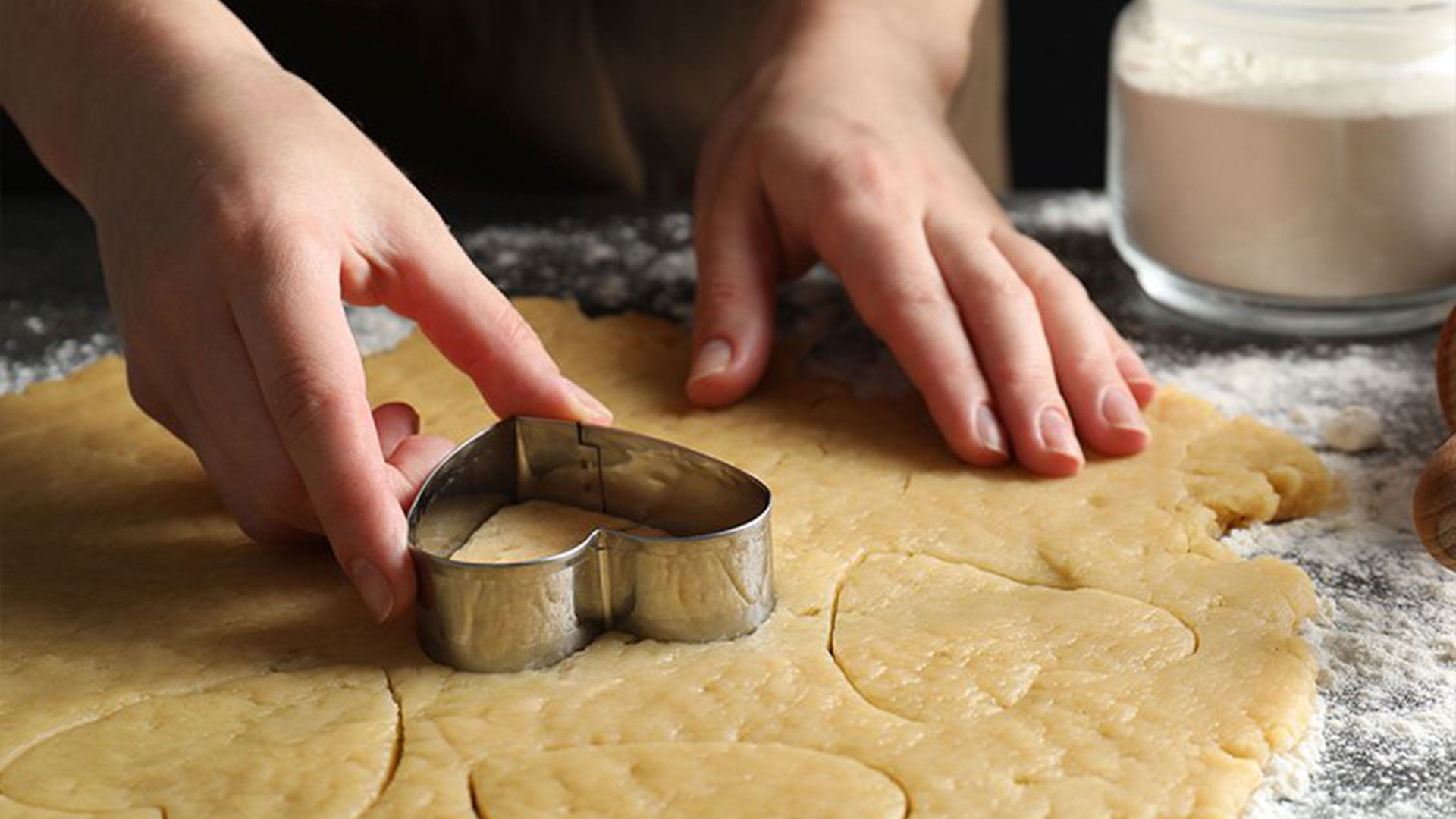
Keep Bugs Out of Your Holiday Baking This Year
The best way to keep bugs out of holiday baking is to check flour and dry goods before you buy them, freeze them for a week when you get home and store everything in airtight containers. If you are like many families in Scranton, Wilkes-Barre and Northeastern Pennsylvania, your kitchen is about to become ground zero for cookie marathons, pie crusts and that one secret family recipe everyone fights over.
Before you tie on the apron, watch for a problem that shows up every year around this time: pantry pests sneaking into your flour, sugar, and spices, sometimes before you even leave the grocery store parking lot.
The Usual Suspects That Crash Holiday Baking
While not a comprehensive list, here are a few of the bugs we see most often in kitchens this time of year:
- Indian Meal Moths: It’s not the actual moths that are a bother; their larvae often infest dry ingredients, such as cornmeal and flour.
- Flour Beetles: Tiny reddish-brown beetles that contaminate dry goods with feces, shed skins, and other secretions.
- Weevils: The classic “something is moving in my rice” nightmare.
- Ants: Usually tiny black or brown ants that march straight to open sugar containers.
- Cockroaches: These vile pests love to infest warm, food-rich areas, exactly where you store dry goods.
Here’s the part most people don’t realize: these roaches and other pantry pests often hitch a ride home from the store. Cardboard packaging gets infested at warehouses, and once one bag is compromised, everything on the shelf can be at risk.
Grocery Store Checklist (Do This in the Aisle!)
- Hold bags of flour, sugar, cornmeal, and cake mixes up to the light. Look for bugs, clumps, webbing, or tiny holes.
- Check “best by” dates; older products are more likely to have eggs or larvae.
- Avoid torn or dented boxes. That’s an open door for pests.
- Skip the bulk bins unless you’re freezing everything for 7 days when you get home (more on that below).
How to Organize Your Pantry Like a Pro (and Keep Bugs Out)
Follow this system once, and you’ll thank yourself every time you reach for the brown sugar:
- Freeze first, store second: Put flour, cornmeal, nuts, and whole grains in the freezer for 7 days. That kills any eggs or larvae hiding inside.
- Airtight is non-negotiable: Transfer everything to glass or thick plastic containers with tight seals.
- First In, First Out (FIFO): Write the purchase date on every container with a Sharpie. Rotate older items to the front.
- Elevate off the floor: Use wire shelving or inexpensive risers. Cardboard on concrete is basically a welcome mat for ants and silverfish.
- Clean like your mother-in-law is coming: Wipe shelves with a 1:1 vinegar-water mix. Pests hate it, and it’s food-safe.
When DIY Isn’t Enough, Contact Ninefold Pest
Even the cleanest pantries in Scranton can become infested by insects (and rodents). That’s where we come in.
Our home pest control service includes, but is not limited to:
- Quarterly treatments with pet- and kid-friendly products
- Free emergency visits if a covered pest shows up between services
- Interior and exterior pest treatments
- De-webbing eaves, bushes, and other webbed spots
- Setting up exterior rodent stations, if necessary
Don’t Let Bugs Steal Your Pumpkin Pie Moment
You have enough on your plate with turkey timers and family coming and going, so let us handle the creepy crawlies. Request a free quote or call 888-902-3540 to keep your kitchen protected all year.
Pantry Pest FAQs
Usually flour beetles, which are tiny and reddish-brown, or weevils. Small moths flying around the kitchen are often Indian meal moths, whose larvae live in flour, cornmeal, cereal and nuts.
It is safest to throw it out. Bugs leave behind droppings, shed skins and webbing, and an infested bag can spread to other dry goods nearby. Check everything on the same shelf.
Yes. Freezing flour, cornmeal, nuts and grains for about a week kills eggs and larvae that may already be inside. Let it come back to room temperature in a sealed container before using it.
Throw out infested food, vacuum the shelves and corners, wipe them down and move everything into airtight containers. If moths keep coming back after a few weeks, a professional can find the source.