
Fall Pests to Watch Out For in Scranton
The most common fall pests in Scranton are stink bugs, mice and rats, spiders, boxelder bugs and silverfish. As the leaves turn and temperatures drop across Northeastern Pennsylvania, they all start looking for a warm place to spend the winter. Unfortunately, many of these unwelcome visitors make their way into homes, causing damage, spreading germs, and generally becoming a nuisance in the process. Here is what to watch for and how to keep them out.
Top Fall Pests in Scranton
Stink Bugs
These shield-shaped insects are infamous for invading homes in large numbers every fall as they prepare to overwinter. During the day, you might see them clustering on sunlit walls, only to find their way inside through small cracks or other openings. Once indoors, they often linger in living spaces before moving into attics or wall voids for the winter. Disturb a stink bug and you will know it. They release a strong, unpleasant odor that makes them unwelcome guests in any home.
Rodents (Mice & Rats)
As the temperature drops, mice and rats start looking for warmth, food, and shelter. Heated homes with consistent food sources become irresistible, and these rodents can quickly create problems. They chew on insulation, wiring and pipes, which can even create a fire risk, and they contaminate food and surfaces.
Spiders
Cooler weather drives many spiders indoors, where they build webs in dark, quiet areas. They’re more noticeable in the fall, partly because male spiders become active while searching for mates. While most are harmless, spiders can signal the presence of other pests, since they follow the insects they eat.
Boxelder Bugs
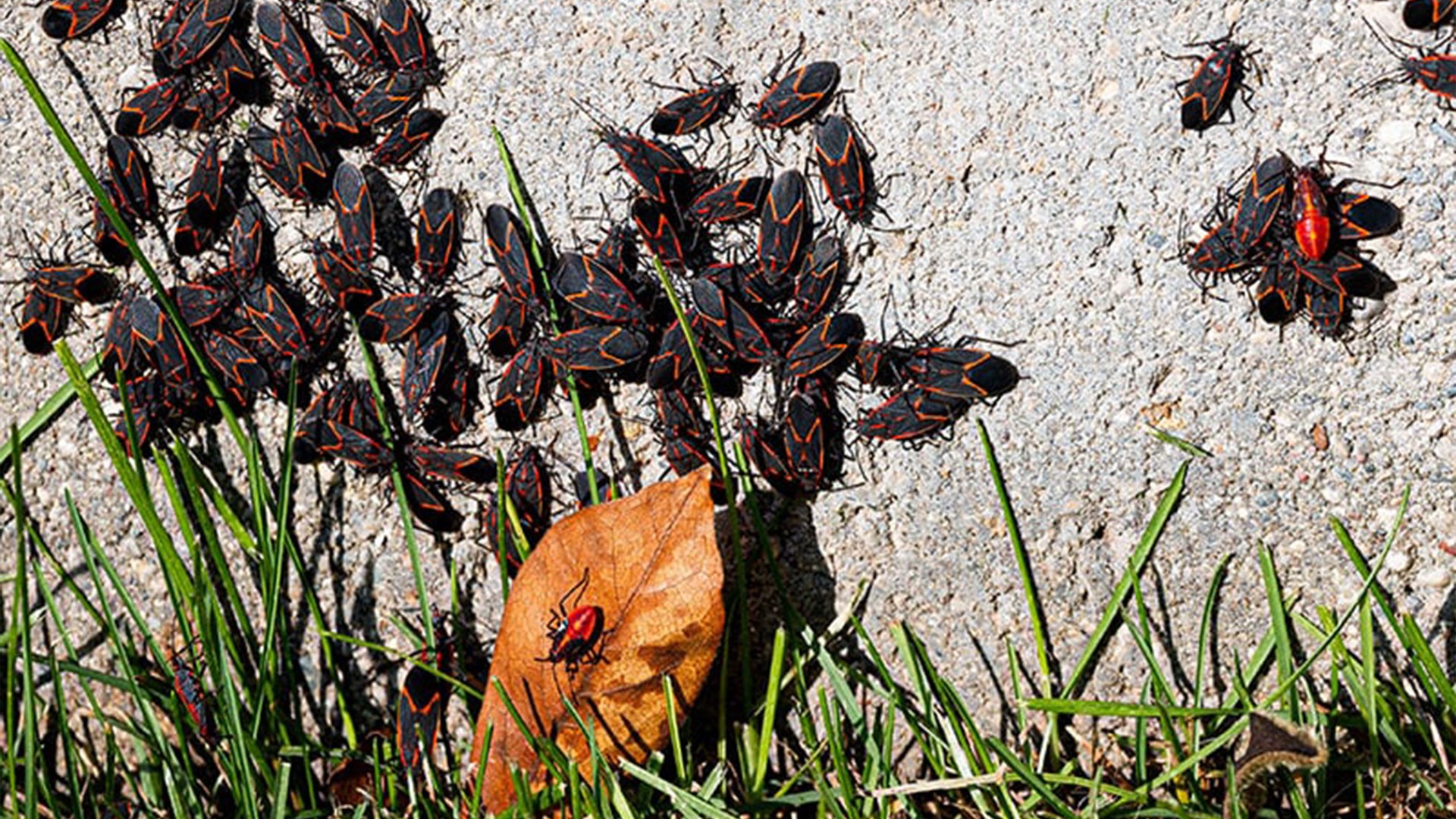
Boxelder bugs move indoors to escape colder weather, often gathering in large groups outside before finding their way into homes. These bugs can leave fabric stains and overwinter in attics or wall voids until spring returns. On the plus side, they do not reproduce in homes during winter.
Silverfish
Drawn inside by fall’s dampness, silverfish thrive in humid, dark spots like basements, crawl spaces, and attics. They aren’t dangerous to humans but can damage paper, cardboard, fabrics, and photographs.
Preventive Tips: Keep Fall Pests Out
Fortunately, you can take steps to reduce the chances of a fall pest invasion. Making your home less inviting and harder to access is key. Start with these strategies:
- Seal openings around windows, doors, vents, siding, and the foundation
- Repair or replace torn screens
- Replace weather stripping
- Trim back branches and shrubs touching the house or roof
- Remove yard debris like leaf piles, fallen fruit, and loose branches
- Keep gutters clean and unclogged
- Fix leaking pipes, faucets, and spigots both inside and out
- Eliminate standing water around your property
- Reduce indoor humidity
- Store firewood off the ground and away from the house
- Swap exterior lights for yellow bulbs, which attract fewer bugs
- Keep kitchens clean: wipe up spills, store food in airtight containers, and take out trash regularly
- Vacuum up any bugs you see indoors
- Reduce clutter, especially in storage areas
Why Ninefold Pest Is Your Best Fall Pest Defense
Even with these steps, pests can still find a way inside. That’s where Ninefold Pest comes in. Our home pest control plan is designed for Pennsylvania’s climate and pest patterns.
We inspect your home, identify pest pressures, and provide treatments to eliminate active pests while preventing new ones. Our services cover every fall pest challenge from rodents and stink bugs to moisture-loving insects.
Serving Scranton, Archbald, Wilkes-Barre and the rest of Northeastern Pennsylvania, Ninefold Pest knows local pest habits and the best timing for preventive treatments. Our recurring services give homeowners both immediate solutions and long-term support, keeping their homes comfortable and pest-free throughout the fall and all year long.
Request a free quote or call 888-902-3540 to protect your home before the cold sets in.
Fall Pest FAQs for Scranton Homeowners
Stink bugs spend the winter in a dormant state and look for sheltered spots to wait it out. Warm, sunny walls draw them in, and small gaps around windows and siding let them into attics and wall voids.
No. Boxelder bugs do not bite, damage the structure or breed indoors over winter. They can stain fabric and curtains if crushed, so vacuum them up instead.
Mostly from September through November, as nights get cold. Sealing gaps around pipes, vents and the foundation in late summer is the best prevention. See where mice nest in a house for the spots to check.
Vacuum them up and empty the vacuum outside, then seal gaps around windows, doors, siding and utility lines. A fall exterior treatment can cut down how many get in.