
How to Protect Your Food and Home from Contamination by Pests
To protect your food and home from pest contamination, store dry goods in airtight containers, wipe up crumbs and spills daily, take out the kitchen trash every night, fix leaks under the sink and seal the gaps pests use to get in. Rodents, cockroaches, ants, flies and pantry pests can all carry bacteria onto counters, dishes and food, so the kitchen and pantry deserve the most attention.
Why Pest Contamination Is a Serious Concern
Contamination usually happens before you notice the pest. Rodents can spread bacteria like Salmonella and leptospirosis through droppings and urine. Cockroaches and flies pick up germs in drains and garbage and leave them on whatever they walk across. Pantry pests lay eggs inside flour, grain and cereal. The result can be foodborne illness, allergy and asthma triggers and food you have to throw away. It matters most in homes with young children, older adults or anyone with a weakened immune system.
Pests Most Likely to Contaminate Food and Surfaces
- Rodents: leave droppings, urine and hair behind appliances, in pantries and in cabinets, and chew through packaging. See our rodent control service.
- Cockroaches: travel from drains and trash straight across prep areas, spreading bacteria and allergens. See cockroach control.
- Pantry pests: beetles, moths and weevils lay eggs in flour, cereal, pasta and rice.
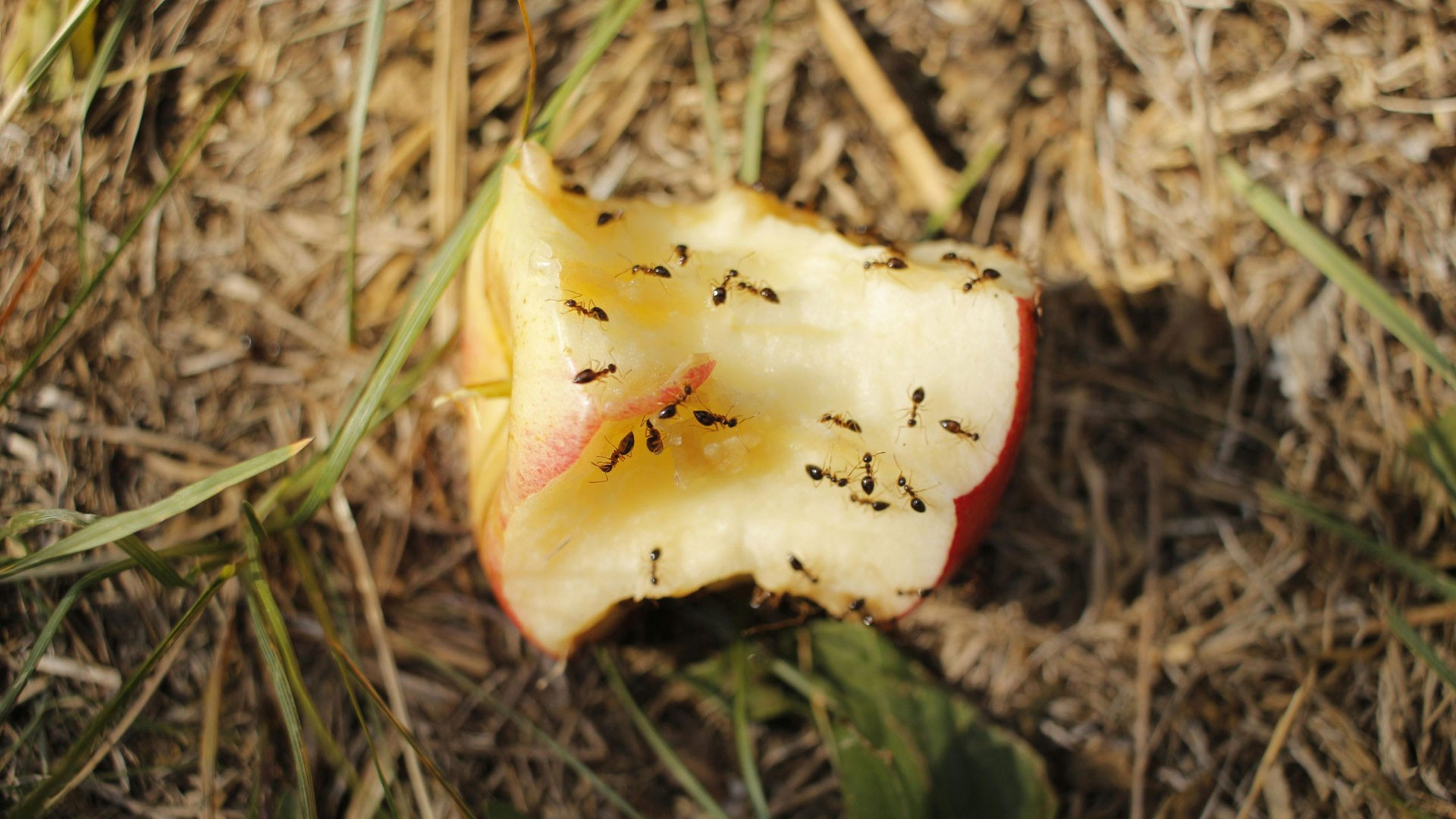
- Ants: follow scent trails into food storage and can get into loosely closed containers. See ant control.
- Flies: house flies and fruit flies carry bacteria from trash and drains to counters, plates and produce.
Signs Your Food or Kitchen May Be Contaminated
- Chewed or torn packaging, small holes or trails of powder
- Webbing, larvae or clumps in flour or cereal
- Droppings in drawers, cabinets or along baseboards
- Dark smudge marks along walls or floors
- A musty or sour smell in cabinets or the pantry
- More insects than usual near the sink, trash or food waste
If you find these signs, throw out anything questionable, clean and disinfect nearby surfaces, and check less obvious spots like behind the fridge and under the stove.
Storage and Cleaning Habits That Help
- Move flour, pasta, rice and cereal into containers with tight-fitting lids
- Wipe counters daily and sweep under appliances regularly
- Take kitchen trash out every night and rinse recyclables
- Keep pet food sealed and do not leave bowls out overnight
- Vacuum and wipe pantry shelves every few weeks and check dates
Our post on keeping pantry pests out of holiday baking has more storage tips.
Close Off Entry Points and Moisture
Even a spotless kitchen can have pests if they can get in easily. Seal gaps around pipes and cables, fix door sweeps and screens and repair leaks under sinks. Watch for seasonal shifts too: rodents push indoors when it gets cold, while ants, flies and pantry pests pick up in warm months. Our guide on sealing cracks and gaps walks through it.
When to Call a Professional
If you have cleaned thoroughly and sealed your food but still see activity, it is time for an inspection, especially with rodents or cockroaches near food. A technician can check behind appliances and inside walls, find how pests are getting in and treat the source. Request a free quote or call 888-902-3540.
Pest Contamination FAQs
Yes. Mouse and rat droppings and urine can carry bacteria and viruses. Do not sweep or vacuum them dry. Wear gloves, spray them with disinfectant, wipe them up with paper towels and throw away any food they touched.
Throw away any uncovered food that roaches or rodents may have touched. Food in sealed cans or tightly closed hard containers is usually fine once the outside is cleaned.
Many arrive already inside the package from the store or warehouse. Others chew through thin paper and plastic. Freezing new flour and grains for a few days and storing them in hard containers helps.
Rodents, cockroaches and house flies are the biggest concerns because they move between garbage, drains and food areas.