
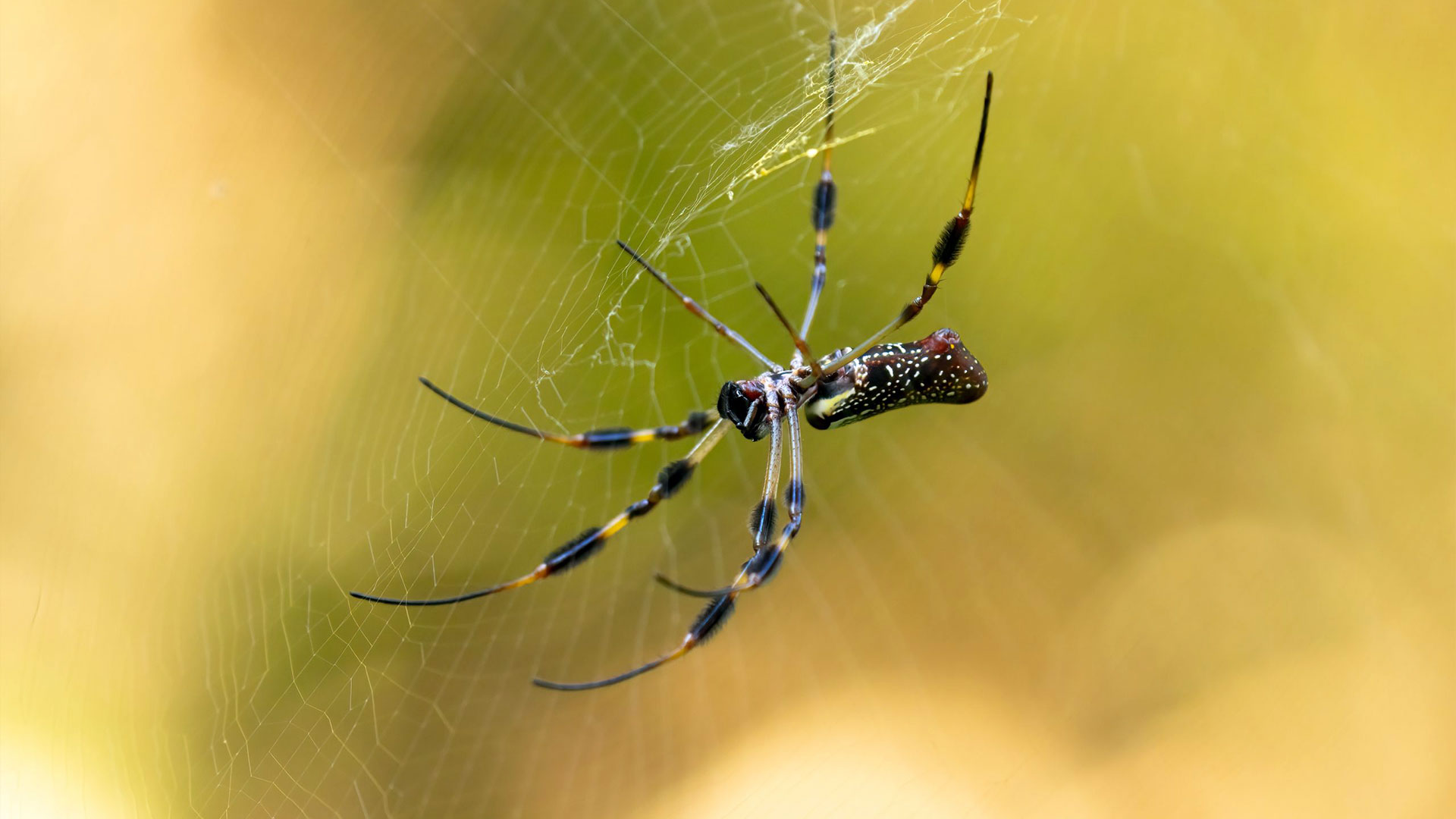
How to Keep Your Alabama Home Spider-Free
To keep spiders out of an Alabama home, seal gaps around doors, windows and vents, vacuum webs and egg sacs regularly, swap cardboard storage for sealed bins, switch outdoor lights to yellow bulbs and cut down the insects spiders eat. Spiders are a common sight in Alabama homes, especially in corners, closets and anywhere that does not get disturbed often. And while most are harmless, that doesn’t mean you want to share your space with them.
With Alabama’s warm weather and steady insect activity, spiders have plenty of reasons to wander indoors. The good news is that with a few simple changes, you can make your home much less inviting to them.
In this post, we walk through why spiders show up in the first place, where they tend to hide, and how to keep them from sticking around.
1. Why Spiders Are So Common in Alabama
If it feels like spiders are always showing up in your home, the climate is partly to blame. Alabama’s heat and humidity create the kind of environment insects thrive in, and spiders go where the insects are.
When bugs become active outside, spiders follow. And if those bugs make their way indoors through cracks, vents, or open doors, the spiders often do too. Homes near wooded areas, mulch beds, or water sources tend to see more activity, especially during the warmer months.
Spiders are also drawn to places where they won’t be disturbed. Garages, basements, attics, and closets are all quiet, low-traffic spaces that make ideal hiding spots. Add in a steady food source, and they’ll settle in without much reason to leave.
Understanding what draws spiders in is the first step toward keeping them out.
2. Common Spiders Found in Alabama Homes
Not all spiders are the same. Some are completely harmless, while others can pose health risks if disturbed. Knowing what you’re dealing with can help you decide when prevention is enough, and when it’s time to call in help.
Here are a few species commonly found in Alabama homes:
- Common house spiders
Small, tan or brown, and often found building messy webs in corners or near windows. They’re harmless and mostly go unnoticed. - Cellar spiders (daddy longlegs)
Recognized by their thin legs and tiny bodies. They prefer damp, dark places like basements and crawl spaces. These are not dangerous to humans. - Wolf spiders
Larger and fast-moving, they don’t build webs. You might see them dart across the floor or hide along baseboards. Their bite is rare and not considered serious. - Brown recluse
Light brown with a violin-shaped marking. They prefer undisturbed areas like closets, boxes, or attic corners. Their bite can cause serious skin reactions and should be treated by a medical professional. - Black widow
Glossy black with a red hourglass marking. They often hide in garages, sheds, or under outdoor furniture. Their bite is venomous and requires immediate attention.
You can find more detail on each species in our pest library.
3. How Spiders Get Inside Your Home
Spiders are quiet intruders. They slip in through small gaps, follow other insects inside, or hitch a ride on items brought indoors. Most of the time, they go unnoticed until they’ve already settled into a quiet spot.
Here are some of the most common entry points:
- Gaps around windows and doors
Small openings around frames are perfect entry points, especially when weather stripping is worn down. - Cracks in the foundation or siding
Tiny cracks can lead straight into crawl spaces or wall voids. - Open chimneys or attic vents
If not properly screened, these offer easy access to upper levels of the home. - Garage doors
Spiders often come in when garage doors are left open or have poor sealing at the base. - Storage boxes, firewood, or décor
Spiders love quiet, dark spaces. When you bring in boxes from the shed or wood for the fireplace, they may come with it.
Blocking these access points is one of the most effective ways to prevent new spiders from showing up.
4. Everyday Habits That Help Prevent Spiders
The best way to deal with spiders is to make your home less appealing to them in the first place. That means cutting down on clutter, removing their food sources, and staying consistent with a few simple routines.
Here are some habits that help:
- Vacuum regularly, especially in corners, along baseboards, and behind furniture. This removes webs, egg sacs, and the small insects spiders feed on.
- Dust window sills, ceiling edges, and air vents where webs often go unnoticed.
- Keep storage areas organized and use sealed plastic bins instead of cardboard boxes. Spiders prefer dark, undisturbed places.
- Limit outdoor lighting near doors and windows. Bright lights attract insects, which attract spiders. Switch to yellow bulbs when possible.
- Store firewood away from your home and off the ground. Spiders often nest in woodpiles and crawl inside when you bring logs indoors.
- Shake out bags, boxes, or seasonal decorations before bringing them inside. This is especially important after storing items in garages, attics, or sheds.
Staying consistent with these habits won’t eliminate spiders completely, but it makes your home far less attractive to them.
5. When to Call a Professional
It’s one thing to find a harmless house spider in the corner of your living room. It’s another to discover a black widow in your garage or notice webs showing up in the same spots week after week. When spider activity becomes frequent or you’re unsure what you’re dealing with, it’s time to bring in a professional.
Here are a few signs it’s worth reaching out:
- You’ve spotted a brown recluse or black widow
- You’re seeing multiple spiders in different areas of the home
- Webs or egg sacs keep showing up, even after cleaning
- You’ve noticed a rise in insect activity that might be attracting spiders
- You want a prevention plan that actually works with your space and lifestyle
Your Home, Not Theirs
Ninefold Pest offers inspections and spider control for homes across Alabama, including Birmingham and Huntsville. Our plans focus on identifying where spiders are getting in, removing their food sources, and treating problem areas safely and effectively.
Spiders may be part of Alabama’s landscape, but that doesn’t mean they need to be part of your home. With a few consistent habits and attention to how they get in, you can prevent most spider problems before they start.
When activity becomes frequent or you are dealing with venomous species, professional help makes a real difference.
Request a free quote or call 888-902-3540. For help telling species apart, see common house spiders in Alabama.
Alabama Spider FAQs
Yes. Brown recluses live in Alabama and hide in closets, boxes, attics and other undisturbed spots. Look for a light brown spider with a dark violin-shaped mark on its back.
Female black widows are shiny black with a red hourglass on the underside. They build messy webs low to the ground in garages, sheds, woodpiles and under outdoor furniture.
Insects. Spiders go where their food is, so porch lights, moisture and other pest problems draw them in. Clutter gives them places to hide.
Spraying alone gives short-term results. Removing webs and egg sacs, sealing entry points and reducing insects around the house work better long-term, with targeted treatment where spiders keep returning.