
Seasonal Pest Control: What to Expect in Each Season and How to Prepare
Expect ants, termite swarms and mosquitoes in spring, peak ant, fly, mosquito and wasp activity in summer, rodents and overwintering insects moving indoors in fall, and rodents and cockroaches inside in winter. As the seasons change, so do the pests that invade our homes. Understanding the seasonal patterns of common pests can help you prepare and protect your space effectively. Let’s break down what to expect in each season and how to keep those unwanted guests at bay.
Spring: A Time for New Beginnings and New Pests
Spring marks the arrival of warmer weather, blooming flowers, and, unfortunately, an increase in pest activity. As temperatures rise, many insects emerge from hibernation, and new pests hatch from their eggs. This is the ideal time to take preventive measures to safeguard your home.
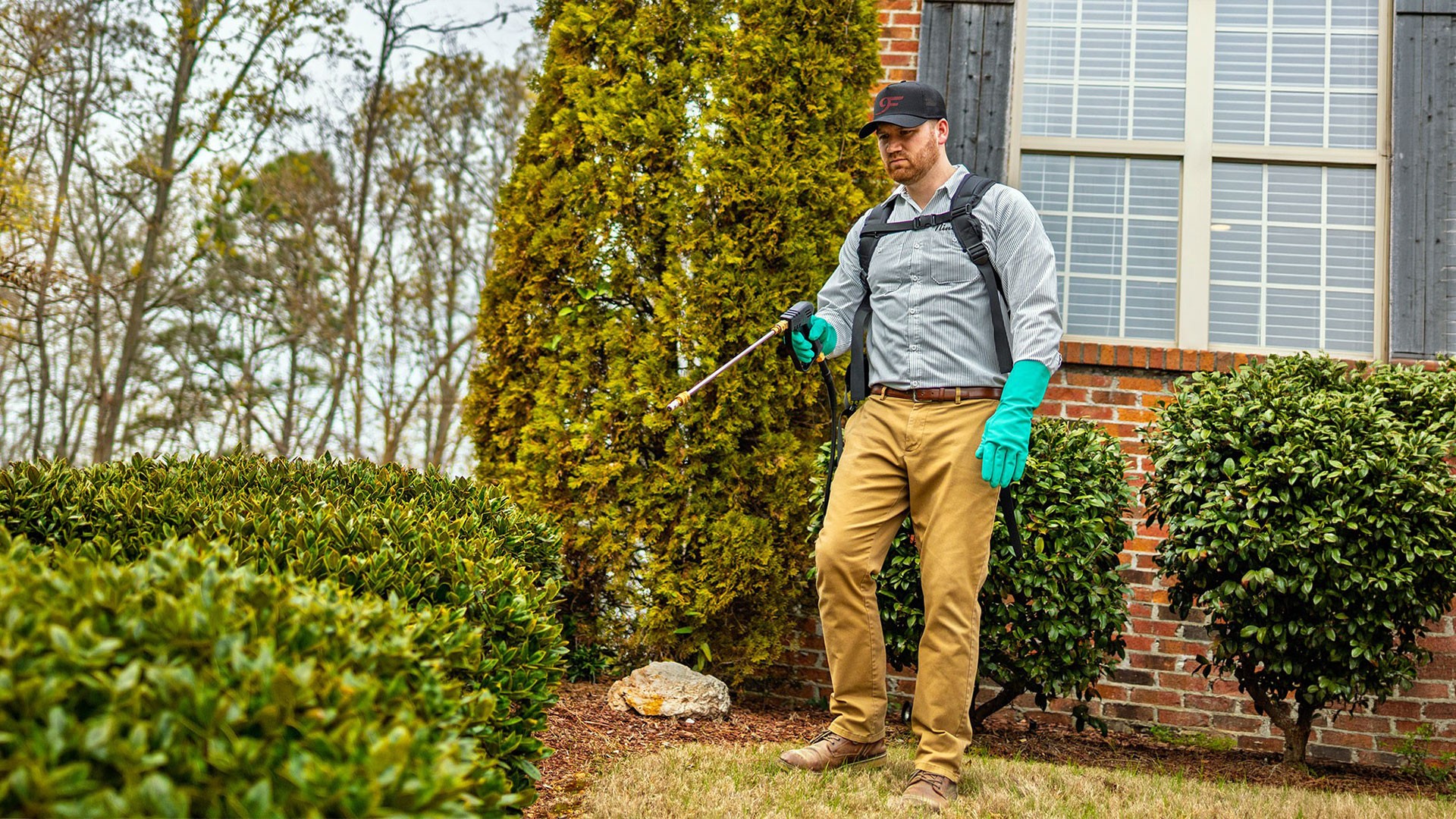
- Start Early: Many pests, such as ants, mosquitoes and flies, start new colonies and broods in spring. An early-season perimeter treatment and a check for standing water heads off larger problems later.
- Seal Entry Points: Pests are always on the lookout for easy access to your home. Check for cracks and crevices around windows, doors, and foundations. Sealing these openings not only keeps pests out but also enhances your home’s energy efficiency.
- Maintain Your Yard: Keeping your yard tidy is essential. Trim bushes, mow the lawn, and remove debris, such as fallen leaves and wood piles, which can serve as hiding spots for pests.
Summer: The Active Season
Summer is the peak season for pest activity. Many insects are actively foraging for food and reproducing, which can lead to an influx of pests in and around your home. Common summer nuisances include ants, mosquitoes, flies, and even wasps.
Here’s how to manage their presence effectively:
- Control Visible Populations: Regularly inspect your home for signs of pest activity. If you spot ants or other foraging pests, take action immediately. Use targeted treatments that are eco-friendly and safe for your family and pets.
- Eliminate Standing Water: Mosquitoes thrive in stagnant water, so be sure to empty any containers, birdbaths, or puddles around your home. This simple measure can significantly reduce mosquito populations and help keep your outdoor space enjoyable.
- Use Traps: Consider using traps for indoor pests, especially for flies and pantry pests. These can help monitor and reduce their populations effectively. Make sure to check traps regularly and dispose of any caught pests promptly.
- Create a Barrier: A professional perimeter treatment around the foundation stops many crawling insects before they get inside. Essential-oil sprays have only a mild, short-lived effect, and some oils are toxic to cats.
Fall: Preparing for Nesting
As summer fades and temperatures begin to drop, many pests seek shelter to prepare for winter. This is when you’ll want to focus on preventing them from nesting inside your home:
- Inspect and Clean: Conduct a thorough inspection of your home for potential nesting sites. Look in attics, basements, and crawl spaces. A deep clean in these areas can deter pests from making themselves at home. Remove any clutter that could provide a cozy nesting spot.
- Block Entry Points: Revisit your sealing efforts from spring. Ensure windows and doors are properly closed, and look for any gaps that pests could exploit. Consider installing door sweeps and screens to further block entry.
- Consider Professional Help: If you notice signs of rodents or other pests attempting to enter your home, it may be time to consult a professional for more comprehensive prevention strategies. An expert can identify potential problem areas and provide effective treatments tailored to your needs.
Winter: The Best Time for Indoor Treatments
While many pests become inactive during the winter months, some seek warmth indoors. This season is prime time for pest control treatments:
- Focus on Nesting Pests: Rodents, cockroaches, and other pests may seek refuge in your home. Regularly check for signs of these pests, such as droppings or gnaw marks. Early detection can prevent larger infestations later.
- Indoor Treatments: Winter is an excellent time for targeted indoor treatments. Consider eco-friendly options that ensure a healthy living environment while effectively controlling pests. Many treatments can be applied safely indoors, minimizing any health risks to your family.
- Stay Vigilant: Even in the colder months, keep an eye out for signs of infestations. Make it a routine to inspect areas like kitchens and bathrooms, where warmth and moisture can attract pests.
- Educate Your Family: Involve your family in pest prevention. Teach children the importance of keeping food stored properly and alerting adults to any signs of pests. Creating a collective awareness can go a long way in maintaining a pest-free home.
Being proactive through the seasons protects your home and usually means less product is needed overall. By understanding the seasonal behaviors of pests and implementing preventive measures, you can maintain a pest-free and healthy living space for your family.
Ninefold Pest offers year-round home pest control built around the seasons. Request a free quote or call 888-902-3540. For your state, see our seasonal guides for Alabama and Utah.
Seasonal Pest Control FAQs
Summer, when heat speeds up insect breeding and foraging. Spring and fall bring their own surges as pests wake up or look for winter shelter.
Often yes. Rodents and cockroaches stay active indoors in winter, and it is a good time for interior treatments and sealing entry points.
Early spring, before ants and wasps get established, is ideal.
Quarterly service lines up with the four seasons and works well for most homes.