July 17, 2025
The Benefits of Routine Pest Control Services for Utah Homeowners

Some pests leave more than just a mess behind. In homes across Northern Utah, rodents, roaches, ants, and pantry pests can contaminate the very areas where you store and prepare food. What starts as a minor annoyance can quickly become a serious concern if left unchecked.
Whether they’re chewing through packaging, crawling across counters, or nesting behind appliances, pests bring bacteria, allergens, and other harmful materials into your home. The risk is especially high in kitchens, pantries, and any space where food is stored or served.
At Ninefold Pest, we’ve seen firsthand how quickly a pest problem can turn into a health issue. That’s why we focus on education just as much as treatment, so you can take the right steps to protect your home before pests get too comfortable.
Why Pest Contamination Is a Serious Concern
Pest contamination often goes unnoticed until it’s too late. By the time you see visible signs, pests may have already come in contact with food, utensils, or preparation surfaces. Rodents are known to carry bacteria like Salmonella and leptospirosis, which can spread through their droppings and urine. Roaches and flies can leave pathogens on surfaces just by walking across them. Even pantry pests, which seem harmless at first, can lay eggs in flour, grains, and cereal. These contaminants can lead to foodborne illnesses, allergic reactions, and long-term sanitation issues if not addressed properly. This is especially important in homes with children, pets, or anyone with a weakened immune system. Preventing contamination starts with awareness. The more you understand how pests behave and where they tend to show up, the easier it becomes to take action before your home and food are affected.Pests Most Commonly Linked to Food and Surface Contamination
More than annoying and unpleasant, pests can be a health hazard. They’re known carriers of bacteria and contaminants that can spread across your kitchen, pantry, and food storage areas. These are the ones to watch most closely:- Rodents: Mice and rats leave droppings, urine, and hair in hidden places like under appliances, inside pantries, or behind cabinets. They chew through food packaging and can contaminate large areas in a short amount of time. Learn more about rodents here.
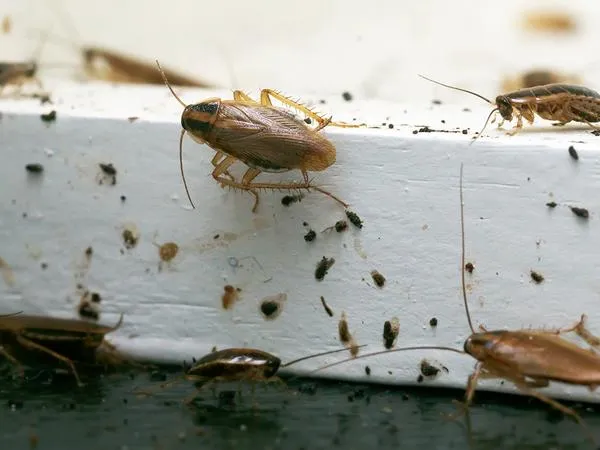
- Cockroaches: Roaches are especially concerning because they move through unsanitary areas like drains and garbage before crawling across food prep zones. Their presence can trigger allergies and spread bacteria like E. coli and Salmonella. More on cockroaches.
- Pantry pests: These include beetles, moths, and weevils that infest dry goods like flour, cereal, pasta, and rice. They lay eggs inside packaging and go unnoticed until the damage is done.
- Ants: Especially sugar and grease ants, which follow scent trails straight into food storage areas. They’re small enough to enter sealed containers and often appear in large numbers once they’ve found a reliable food source.
- Flies: House flies and fruit flies pick up bacteria from trash, drains, or pet waste and can transfer it to any surface they land on, including countertops, plates, and produce.
Signs That Food or Surfaces May Be Contaminated
Pest contamination often begins in quiet, undisturbed areas. The signs may not stand out right away, but they tend to follow a pattern once you know what to look for. In dry food storage, look for damaged or chewed packaging. Small holes, torn edges, or trails of fine powder may point to insects or rodents. Webbing or tiny larvae inside a bag of flour or cereal is another sign that pantry pests have moved in. In kitchens, signs include:- Droppings in drawers, cabinets, or along baseboards
- Dark smudge marks on floors or walls
- An unusual musty or sour odor in confined spaces
- Increased insect activity near sinks, trash bins, or food waste
- Food that appears clumped, webbed, or discolored