Living in Alabama means warm weather for most of the year, which in turn means pests never really take a break. Whether it’s ants in the pantry or roaches in the bathroom, indoor pest activity can creep in quietly and become a regular source of stress.
The good news is that you don’t need to turn your home into a science lab or commit to harsh chemicals to keep bugs and rodents away. With the right habits and a few smart adjustments, it’s entirely possible to prevent infestations before they begin.
These tips are based on our first-hand experience serving Alabama homes and are designed to help you keep your space clean, calm, and pest-free without getting overwhelmed.
Understand What You’re Up Against
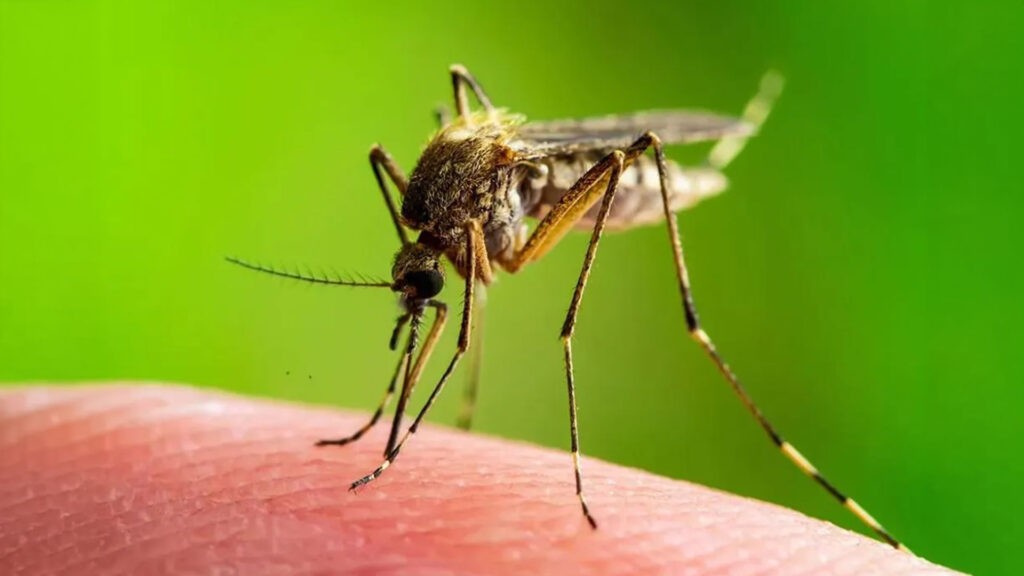
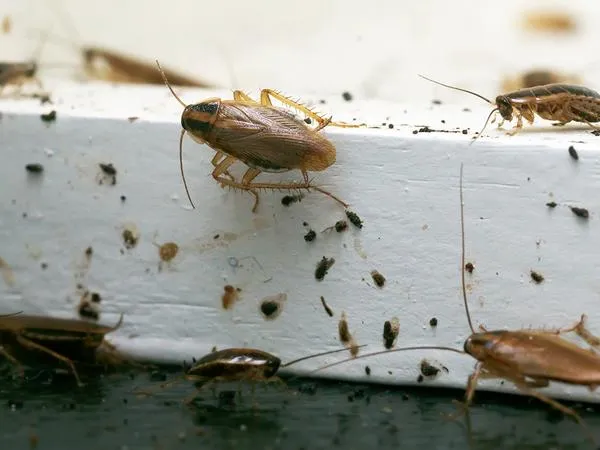
The first step to protecting your home is knowing which pests are most likely to move in. In Alabama, the most common indoor invaders include ants, roaches, spiders, silverfish, and rodents. Each one comes with its own habits and hiding spots, but they usually have one thing in common: they’re looking for food, water, or shelter.
Warm temperatures and humidity create the perfect environment for pests to thrive year-round. Once inside, they tend to settle in places that are quiet, cluttered, or damp. That’s why even clean homes can have issues if entry points are open or attractants go unnoticed.
Understanding how and why these pests show up helps you prevent them more effectively. If you want to learn more about what each species looks like or how they behave, Ninefold Pest’s
Pest Library is a great place to start.
Seal Entry Points and Patch Vulnerable Areas
Pests don’t need much space to get inside. Gaps around doors, torn window screens, open vents, and small cracks in the foundation can all serve as access points. Over time, even normal wear and tear around the outside of the home can create new ways in.
Start by checking the seals around windows and door frames. If anything looks loose or damaged, a quick repair can make a big difference. Look closely at baseboards, pipe openings, and the corners of your garage or utility room. Caulking, foam sealant, or weather stripping can help close off these smaller entry points.
Sealing things up doesn’t take much time, but it plays a big role in keeping unwanted pests from slipping indoors.
Eliminate Food and Water Sources Inside
Pests come inside for three main things: food, water, and shelter. If they find even one of those, they’re more likely to settle in and stay. One of the simplest ways to prevent indoor pest issues is to make sure your home isn’t offering up anything they can live on.
Start in the kitchen. Store dry goods in sealed containers, wipe crumbs off counters, and rinse out dirty dishes instead of leaving them overnight. Take out the trash regularly and make sure bins have tight-fitting lids. If you feed pets indoors, pick up food bowls when they’re not in use.
Bathrooms, laundry rooms, and basements also deserve attention. Any dripping faucet, loose pipe, or excess humidity can turn into a reliable water source. A dehumidifier can help in damp areas, and it’s worth checking under sinks or appliances for moisture.
These may sound like small changes, but together they remove the main things pests are looking for and make your home a whole lot less appealing to them.
Keep High-Risk Areas Clean and Decluttered
Some parts of the home are more likely to attract pests than others. Attics, closets, basements, laundry rooms, and garages often go untouched for long stretches, which makes them ideal for insects and rodents that prefer quiet, hidden spots.
Regular cleaning doesn’t need to be constant or intense. A monthly vacuum, quick wipe-down, or reorganization session can help you spot signs of activity early and discourage pests from settling in. Avoid stacking boxes directly on the floor, and try to keep stored items off the walls when possible.
Decluttering also helps you reduce the number of hiding spots. Old paper, cardboard, and fabric can all attract pests like silverfish, roaches, or even mice. If a space is clean and open, pests are more likely to move on and look elsewhere.
Even a few small changes in storage areas can make a big impact in keeping your home pest-free year-round.
Use Safe, Strategic Prevention Tools
You don’t need to cover your home in chemicals to stay protected. There are safe, effective products that can help you get ahead of indoor pest problems without causing harm to people or pets.
Sticky traps can be placed in discreet areas like behind appliances or under sinks. These help monitor activity and catch insects early. For ants or roaches, bait stations can work well if placed correctly and kept out of reach of children or animals. Diatomaceous earth is another option. It’s a fine powder that works as a natural barrier against crawling pests.
When using any product, the key is to place it where pests are likely to travel, not in the open where it won’t be effective.
Ninefold Pest’s treatments are designed to fit this same approach: targeted, low-impact, and tailored to real homes. Prevention can work best when it blends into your routine without adding stress or risk.
Know When It’s Time to Call a Professional
There’s a lot you can do on your own, but sometimes, pests don’t go down that easily. If you’re seeing droppings, damaged food packaging, strange smells, or signs of nests, it may be time to bring in extra help. Some issues can start small and build quietly over time, especially in places you don’t often check.
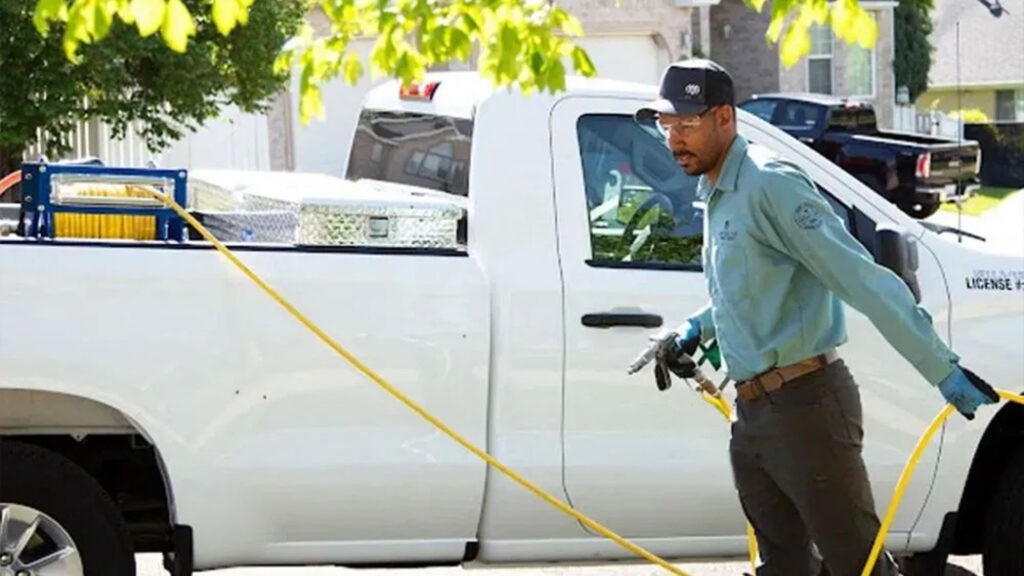
A professional pest control service can identify the source of the problem, treat it safely, and put long-term prevention in place. Technicians know where to look, what to watch for, and how to customize a plan based on your home and the types of pests that are most common in your area.
At Ninefold Pest, the goal is simple: stop the problem at the source and help you keep it from coming back. You get safer treatments, expert support, and a plan that works with your lifestyle, not against it.
Small Steps, Big Results
Keeping pests out of your home doesn’t have to be a hassle. A few thoughtful habits, some routine maintenance, and the right tools can go a long way in creating a space that’s clean, calm, and protected.
Alabama’s climate makes year-round pest activity more common, but that doesn’t mean you have to live with it. By staying ahead of attractants and closing off entry points, you’re building a strong line of defense that will last longer than any one-time fix.
And if the issue becomes more than you want to handle on your own, Ninefold Pest is always here to help with solutions that fit your space, your needs, and your schedule.