November 8, 2025
Utah Ant Season: How to Stop Ants From Coming Back Every Spring
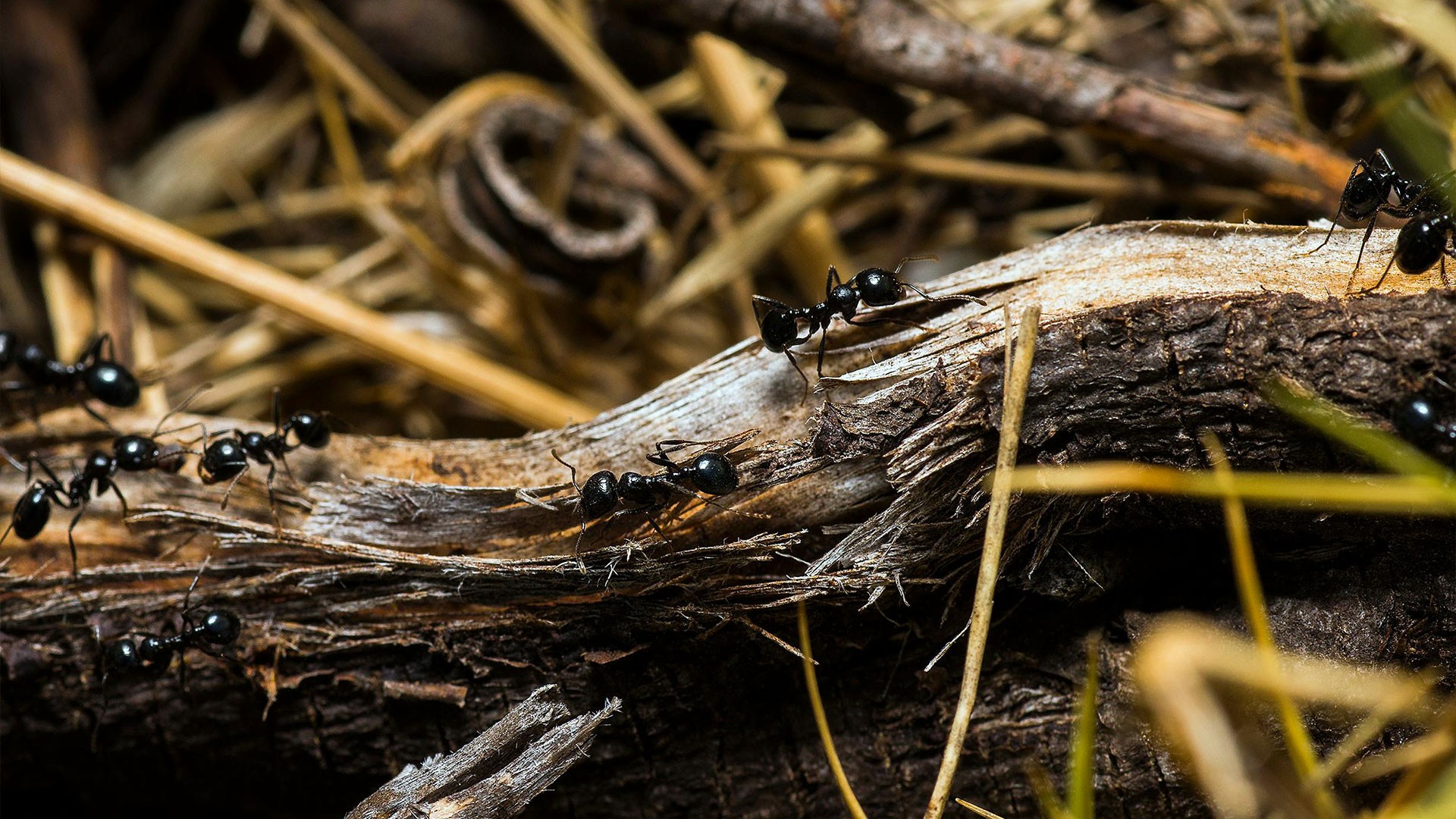
Utah ant season tends to show up like clockwork. One warm stretch in spring and suddenly you spot a line of ants cutting across the kitchen counter, circling the pet bowl, or gathering near a baseboard. The frustrating part is not the first wave; it is what happens next.
Many homeowners clean, spray, and still see ants again a week later.
The good news is that spring ant problems are usually predictable, and that makes them easier to prevent. Below is a clear, step-by-step approach you can use to stop ants from coming back every spring, plus signs it is time to bring in professional help.
Why ants show up every spring in Utah
Ants are active year-round, but indoor “invasions” often spike in spring and early summer. Utah State University Extension specifically notes that indoor problems with pavement ants are worst in spring and early summer.
A few things are happening at once:
- Warmer temperatures increase foraging. As days warm up, workers spread out to find food and water for the colony.
- Moisture changes can push ants closer to homes. Spring rain or irrigation can shift where ants travel and nest. USU notes pavement ants often swarm in spring after rain and can even swarm indoors.
- Your home is full of easy rewards. Even tiny crumbs, a sticky spot near a trash can, or a slow drip under a sink can be enough to keep ants returning.
If you only treat the ants you see, you often miss the bigger driver: a nearby nest and a scent trail that keeps “inviting” more ants inside.
The most common ants Utah homeowners deal with
Different ants behave differently, so your plan works best when you start with a likely ID.
Pavement ants
Pavement ants are a top culprit in Utah neighborhoods. USU calls them the most common pest ant in and around structures in Utah, and notes that indoor issues are worst in spring and early summer.
They often nest outdoors under pavement cracks, stones, or along foundations, and can enter homes through cracks in concrete. If you are seeing ants near garages, basements, or ground-level entry points, pavement ants are a common suspect.
If you want to compare what you are seeing, Ninefold Pest has a local resource page here: Pavement Ants.
Odorous house ants
Odorous house ants are small and can be persistent indoors. They are brown-to-black ants that produce a rotten, coconut-like odor when crushed, and they cannot sting.
Homeowners often describe these ants as appearing “out of nowhere,” especially when they find a consistent food or water source.
Carpenter ants
Carpenter ants are less common than pavement ants in many homes, but they matter because they can be associated with moisture-damaged wood. If you notice larger ants, sawdust-like debris, or activity near damp areas, it is worth getting an inspection.
What to do the first day you notice ants indoors
When ants show up, it is tempting to grab a spray and wipe them out fast. That may reduce what you see, but it does not always solve the problem long-term.
Here is a better first-day plan.
1) Follow the ants for two minutes
Pick one trail and see where it leads. Look for:
- A crack at a baseboard or corner
- A gap under a door threshold
- A window track
- A plumbing opening under a sink
- The edge of a slab or basement wall
This helps you find entry points you will later seal.
2) Clean the trail the right way
Ants often follow chemical scent trails left by other ants. Cleaning does two jobs: it removes food residue and it disrupts that “follow me” trail.
Use warm, soapy water or a general household cleaner to wipe surfaces where you see ants traveling. Pay extra attention to:
- Counter edges and backsplash seams
- The floor perimeter under cabinets
- Trash can areas
- Pantry shelves with spills
3) Use bait strategically, not randomly
For many common household ants, baits can work well because they aim at the colony, not only the visible workers. You can manage pavement ants indoors using baits, along with cleaning, proper food storage, and exclusion.
Tips that often improve results:
- Place bait near trails, not directly on top of the busiest line.
- Use smaller amounts in a few locations rather than one big blob.
- Give it time. You may see more ant activity at first because bait attracts foragers.
4) Avoid spraying over bait
Spraying on or near bait can reduce how well the bait works. If you plan to bait, keep sprays limited and avoid contaminating the bait area.
A simple spring ant prevention checklist for Utah homes
Once you calm the immediate problem, prevention is what keeps ants from returning next spring.
Step 1: Remove the food draw
Ants do not need much to stay interested.
- Store pantry items in sealed containers (especially sugar, cereal, pet treats).
- Wipe counters and sweep floors, especially near the stove and under the toaster.
- Rinse recyclables and keep sticky bottles out of open bins.
- Do not leave pet food out overnight if ants are active.
Step 2: Cut off water sources
Water is a big driver for ants in kitchens, bathrooms, and laundry rooms.
- Fix slow drips and check the cabinet base for dampness.
- Dry sink basins at night if you have repeat ant activity.
- Check for irrigation overspray that keeps the foundation line damp.
Step 3: Break the trail consistently
Even after you clean once, recheck the same spots for a few days. If you see ants again, wipe the trail again and keep bait placements steady.
Step 4: Seal entry points that matter
Exclusion is one of the most cost-effective ways to reduce repeat ant problems. EPA guidance for facilities often includes sealing and caulking cracks and openings, including around pipes and along baseboards.
Focus on:
- Gaps where plumbing enters under sinks
- Cracks where trim meets flooring
- Window tracks and damaged screens
- Door sweeps and threshold gaps
- Utility penetrations and hose bibs
Ninefold Pest also has a homeowner-friendly walkthrough here: How to Seal Cracks and Gaps to Keep Pests Out.
Step 5: Adjust the yard and perimeter
What happens outside affects what you see inside.
- Keep mulch and ground cover from touching the foundation line.
- Move stored items (wood piles, boxes, planters) off the house edge.
- Trim vegetation so it does not rest against siding.
- Clean up food sources like fallen fruit and pet feeding areas near doors.
Why ants keep coming back, even after you “got rid of them”
If ants return every spring, it is usually one (or more) of these issues:
- The colony is still active nearby. You removed foragers, but the nest remains close to the home.
- The trail was never fully disrupted. If scent trails stay in place, ants re-form lines quickly.
- Entry points were not sealed. Pavement ants can enter through cracks in concrete and nest near foundations and slabs.
- The bait did not match the ant’s needs. Ant food preferences can shift, and placement matters.
Recurring ants do not mean your home is dirty. It usually means the colony has learned a reliable route.
When to call Ninefold Pest for ant control
DIY steps work for minor, occasional ant activity. But if ants return every spring, or you are seeing daily trails, professional service can save time and reduce repeat infestations.
Consider calling Ninefold Pest if:
- Ants show up in multiple rooms or in the same spot every day
- You have tried baiting and cleaning for a week and activity is not improving
- You suspect a nest near the foundation, under a slab, or inside a wall void
- You want a seasonal plan that reduces recurring spring activity
Ninefold Pest provides residential pest control across Northern Utah, including areas mentioned on our site like Utah County, Cache, and Box Elder, and offers a free quote through our contact form. You can also explore our local residential page here: Residential Pest Control in Utah County.