December 12, 2025
Mosquito Control in Northern Utah: What Actually Works for Yards
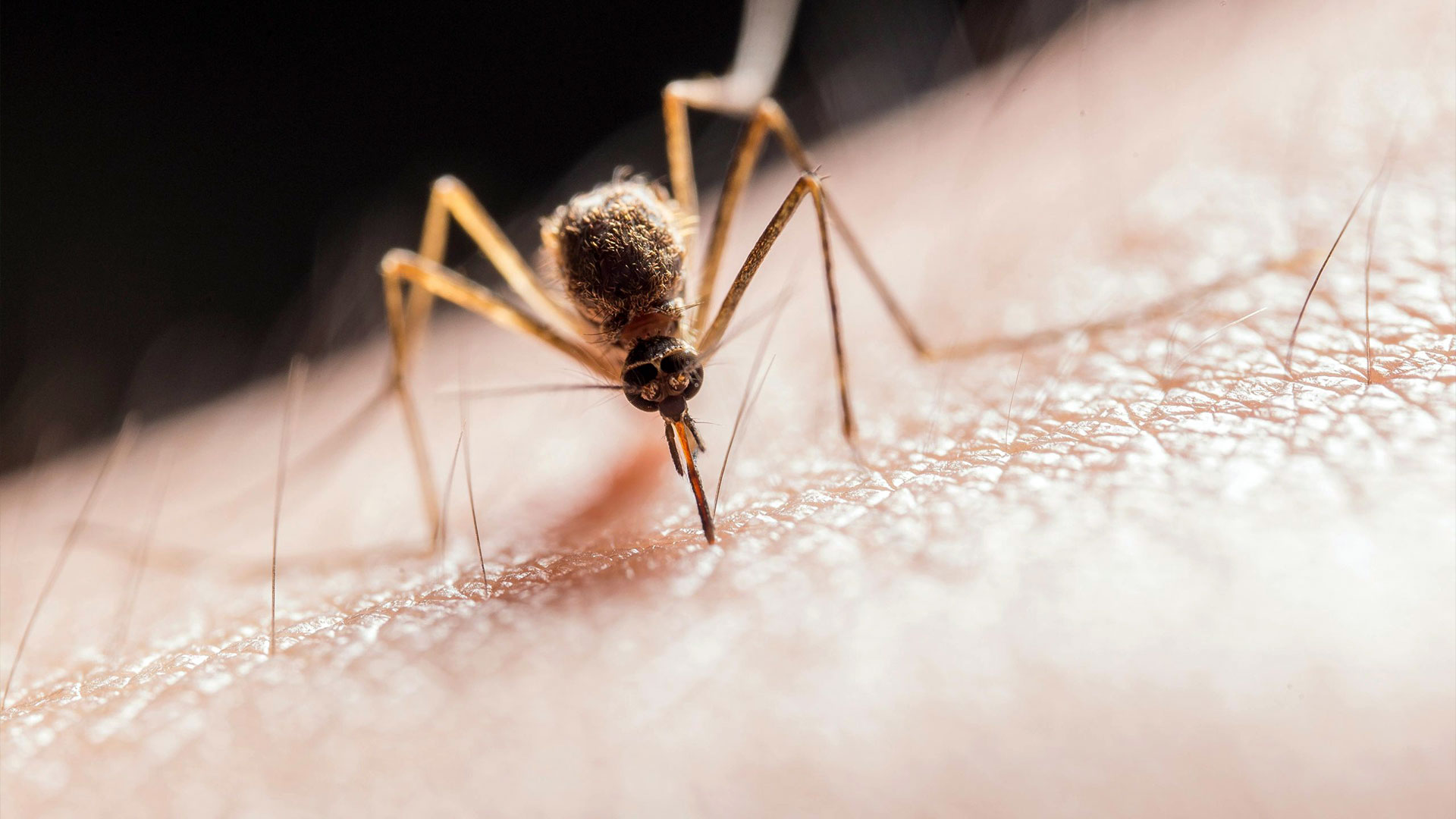
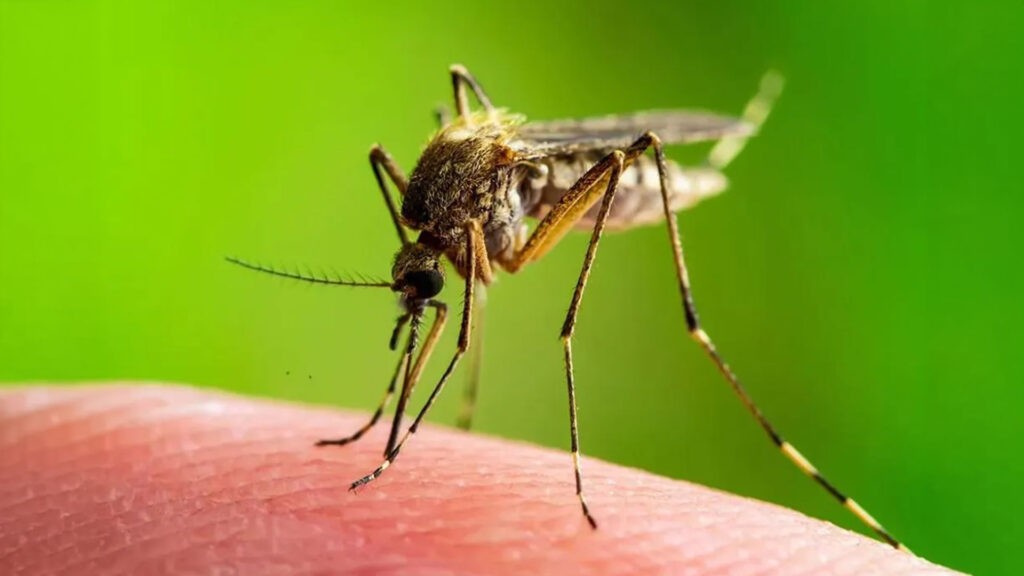
If mosquitoes are ruining your evenings, we get it. Northern Utah summers are made for backyards, grilling, and time outside. But when you can’t step onto the patio without getting bitten, it stops being relaxing fast.
We hear the same thing all the time: “I tried candles,” or “I sprayed once,” or “I planted something that was supposed to help.” And then the bites keep coming.
Here’s the honest truth: mosquito control works best when you focus on the few things that actually move the needle. In this guide, we’ll show you what works for yards in Northern Utah, what doesn’t, and the simple plan we recommend if you want fewer mosquitoes without turning your yard into a science project.
Why Mosquitoes Keep Showing Up in Your Yard
Most mosquito problems come down to two things:
- Breeding sites nearby
- Good resting spots in the shade
Mosquitoes lay eggs in water. That water might be obvious, like a bucket, or nearly invisible, like water pooled in a tarp fold or a clogged gutter corner. Once they hatch, you end up with a steady supply of new mosquitoes right on your property.
Then, adult mosquitoes hide in shady, protected areas during the day, waiting for the evening when they can feed. If your yard has thick shrubs, tall grass along a fence, or damp shaded corners, it can feel like you’re hosting them.
The good news is you can break this cycle with a few consistent steps.
What Actually Works for Mosquito Control in Northern Utah Yards
1) Remove Standing Water Every Week
If you do only one thing, do this.
Mosquitoes don’t need a pond. They can breed in small amounts of water, and those little sources add up. A weekly 10-minute “water sweep” can reduce mosquitoes more than most products people buy.
Check these common spots:
- Plant saucers and pots
- Kids’ toys, buckets, wheelbarrows
- Tarps that sag and hold water
- Bird baths (dump and refill)
- Clogged gutters
- Window wells
- Low spots in the lawn that stay soggy after watering
- Irrigation valve boxes or areas around sprinkler heads that puddle
This step is simple, but it is the foundation. If water stays, mosquitoes stay.
2) Treat Water You Can’t Dump With Larvicide (Like Mosquito Dunks)
Sometimes you have water you can’t easily remove. Maybe it’s a decorative feature, a drainage area you’re still fixing, or a spot that always holds water after irrigation.
That’s when larvicide helps. We commonly recommend Bti-based mosquito dunks or bits for small, contained water sources. They target mosquito larvae before they become biting adults.
A few practical tips:
- Larvicide works best when you keep up with the schedule on the label.
- It helps prevent new mosquitoes, but it does not fix adult mosquitoes already flying around today.
- It’s most useful when paired with the other steps in this article.
3) Clean Up the Shady “Rest Zones”
In our experience, a lot of mosquito pressure comes from where they hide, not just where they breed.
Mosquitoes rest in cool, shaded areas like:
- Dense shrubs near patios
- Tall grass and weeds along fences
- Ground cover that stays damp
- Under decks
- Around thick landscaping beds
You don’t have to rip out your yard. Start with the areas closest to where you spend time.
What helps:
- Trim shrubs back from patios and doorways
- Thin dense plants where air can’t move through
- Mow regularly, especially along fences and behind sheds
- Remove piles of leaves and damp debris
Even small cleanup changes can make your seating area less attractive.
4) Use Air Movement in Your Seating Area
This is one of our favorite low-effort mosquito moves. Mosquitoes struggle in moving air. If you’re trying to enjoy dinner outside, a fan can make a real difference.
Try this:
- Place a box fan or oscillating fan to blow across the patio seating area
- Turn it on around dusk when bites ramp up
It won’t eliminate mosquitoes across the whole yard, but it helps make one area comfortable.
5) Use Targeted Treatments Where Mosquitoes Live
If you’ve done the water cleanup and you’re still getting hit hard, you may need to reduce adult mosquito activity around your home.
That usually means focusing on:
- Shaded vegetation
- Protected corners
- Perimeter zones where mosquitoes hang out
This is where a consistent mosquito service can help, especially if you back up to areas you can’t control (canals, drainage, wetlands, or neighborhoods with heavy irrigation).
On our end, we focus on the areas mosquitoes use most, not random “spray everywhere” approaches. We also look for breeding sites and help you identify the stuff that keeps bringing mosquitoes back.
If you want to see what we offer, here’s our service page: mosquito control
What Usually Doesn’t Work (or Only Helps a Little)
We’re not here to shame anyone, most people try the quick fixes first. But if you want results, it helps to know what’s mostly hype.
Citronella Candles
They might help a little in a tiny area, but they won’t solve a real yard problem.
“Mosquito Repellent Plants”
Some plants smell strong, but they don’t create a protective bubble around your yard. You’ll still get bitten if mosquitoes are breeding nearby.
Bug Zappers
They kill a lot of insects that are not mosquitoes. They usually don’t reduce bites.
Ultrasonic Devices
If a gadget promises silent, effortless mosquito control, be skeptical. In the real world, these almost never change mosquito activity in a yard.
One-Time Fogging Without Source Control
Fogging can knock down some adults short term. But if the breeding sites are still there, mosquitoes rebound quickly. If you’ve ever thought “It worked for a day,” that’s why.
A Simple Mosquito Plan We Recommend for Northern Utah Homeowners
If you want a clear routine, here’s a plan you can follow.
Weekly (10 Minutes)
- Dump standing water and refresh bird baths
- Walk your yard edges for puddling and soggy areas
- Check gutters and downspouts
- Trim vegetation near your patio and doors
Every Few Weeks
- Treat non-drainable water sources with larvicide (follow label instructions)
- Clean window wells and shaded corners that collect damp debris
- Check screens and door seals (mosquitoes get inside too)
Daily Comfort Moves
- Use a fan on the patio at dusk
- Keep doors closed and repair screens
- If you’re outside during peak bite times, use a repellent you trust
When It’s Time to Call Us
DIY steps can make a big difference. But if mosquitoes are still dominating your yard after a few weeks of consistent effort, it’s a sign you may need help.
Call us if:
- You’re getting swarmed every evening even after water cleanup
- Your yard borders water or drainage areas you can’t control
- You have a shaded yard with heavy vegetation and high bite pressure
- You want a consistent seasonal plan so you can actually use your yard
We’ll help you identify breeding sources, reduce adult activity where mosquitoes rest, and keep pressure down so your yard feels usable again.
Helpful Ninefold Pest Resources
Here are a few related pages that pair well with mosquito prevention:
- Mosquito control
- Flea & tick control
- Residential pest control
- How to seal cracks and gaps to keep pests out
- 10 simple ways to pest-proof your home year-round
FAQ: Mosquito Control in Northern Utah
What’s the Fastest Way to Reduce Mosquitoes in My Yard?
Start with standing water. If you remove breeding sites weekly, you cut the number of new mosquitoes that emerge near your home.
Do Mosquito Dunks Work?
They can help when used correctly in water you can’t dump. They’re best as part of a larger plan, not a standalone fix.
Why Are Mosquitoes Worse at Dusk?
Many mosquitoes are more active in the evening, so that’s when bites spike. That’s also why fans and patio-focused steps can help a lot.
Will a Yard Treatment Eliminate Mosquitoes Completely?
Usually no. Mosquitoes can travel from nearby areas. The goal is to reduce the local population so your yard is comfortable again.
What if I’ve Done Everything and I Still Have Mosquitoes?
That’s often a sign mosquitoes are breeding nearby or your yard has strong resting habitat. A professional inspection helps pinpoint the cause and prioritize the right steps.